
Boost for local wildlife as Council sets up first habitat bank in west Cheshire
A new nature-focused initiative is set to transform a council-owned site into a thriving haven for wildlife, as Cheshire West and Chester Council registers its first dedicated habitat bank with Natural England.
The project will see a diverse mix of habitats created and enhanced, including species-rich grassland, native broadleaved woodland and carefully designed ponds at Grange Woods, an 8.56-hectare site located between Chester and Frodsham.
Together, these features will form a connected and varied landscape, providing essential spaces for native plants and wildlife to flourish. By linking different habitats across the site, the scheme will support greater biodiversity, enabling species to move more freely and establish resilient populations over time.
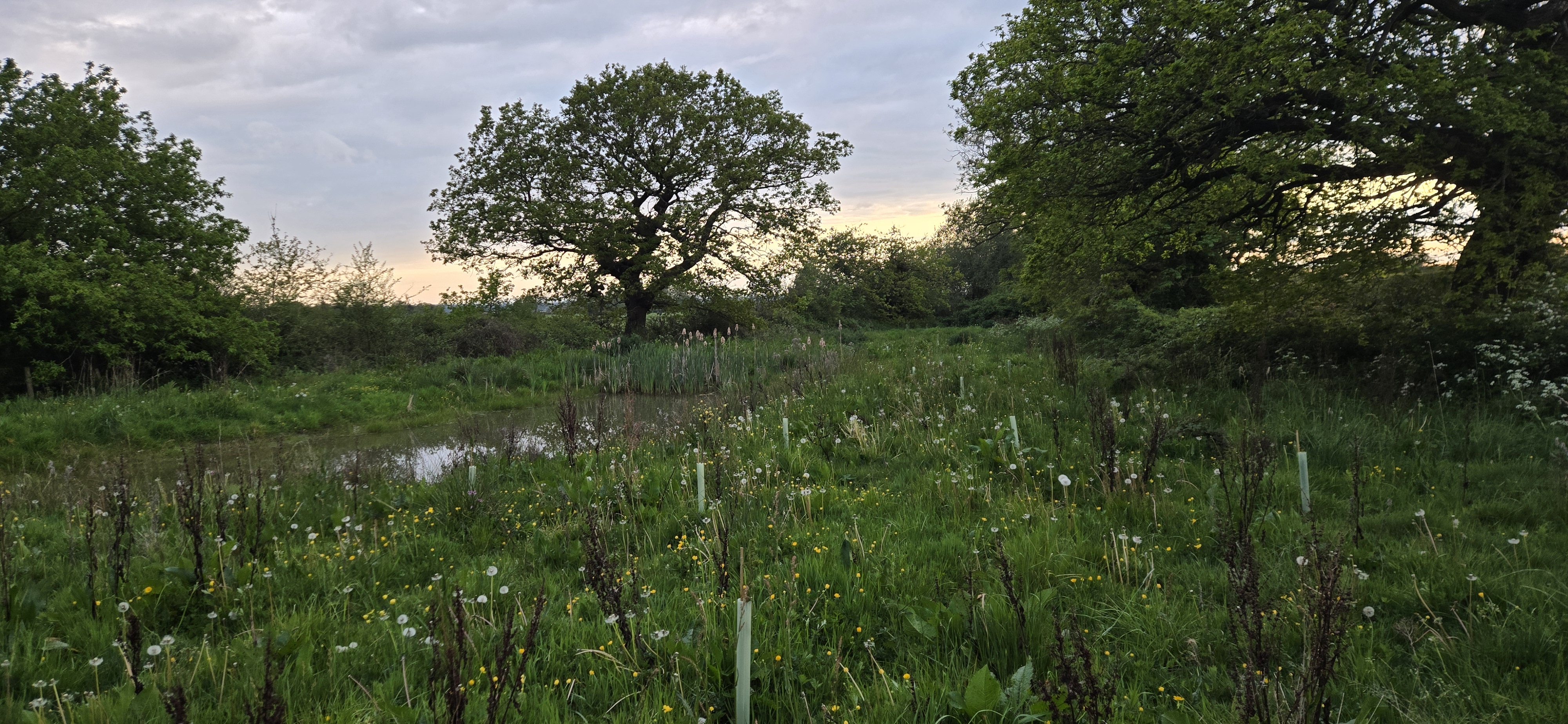
A habitat bank is an area of land that is specifically set aside to create and improve habitats for wildlife. Once established, these habitat banks are legally secured and managed for the long term, ensuring they continue to improve over time while providing lasting benefits for wildlife.
With the UK among the lowest 10% of countries worldwide for biodiversity, and 156 species in Cheshire having become extinct since 1950, this initiative—along with other habitat banks in the county—will play a major role in supporting local and national nature recovery.
Each habitat bank will generate Biodiversity Net Gain (BNG) units, which are used to measure the value of habitats for wildlife. BNG units now form part of the planning system, requiring non-exempt new developments to deliver at least a 10% net gain for biodiversity. If this cannot be fully achieved within the development site itself, developers can fund habitat creation elsewhere by purchasing BNG units from a registered habitat bank.
It is hoped that, once established, the Grange Woods site will support pollinating insects such as bees and butterflies, birds, bats and small mammals, as well as amphibians such as newts, frogs and toads in the newly created ponds.
Establishing and registering our first habitat bank in the borough is an important step in creating more space for nature in west Cheshire. Cheshire and Warrington’s Local Nature Recovery Strategy, published last year, highlights the importance of joining up areas for nature and the wide range of benefits this will bring for residents, businesses and the local economy. Funding improvements to sites such as Grange Woods through BNG will ensure that the site continues to be managed for years to come.


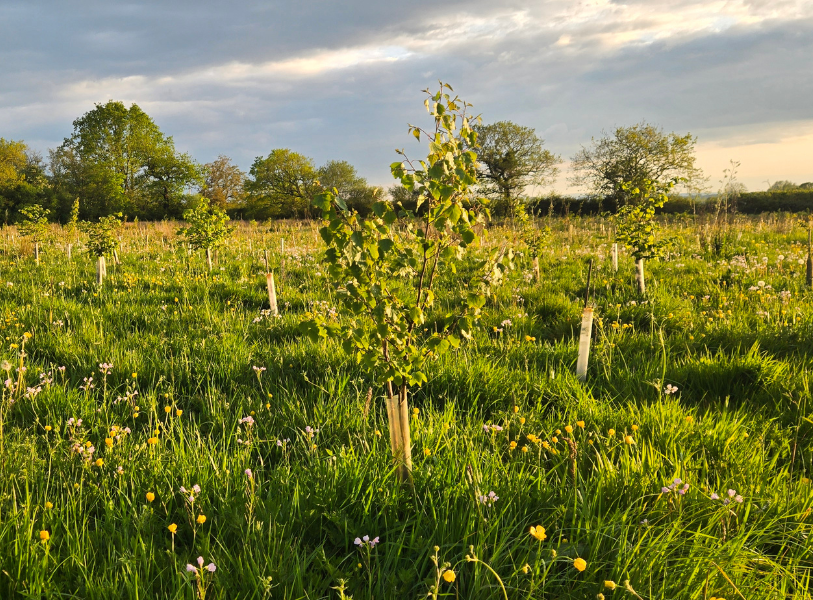
A baseline ecological assessment was carried out at this site before habitat creation work began, and regular monitoring and condition assessments will take place to track habitat quality and progress, with all gains recorded on the national BNG register.
The Council is in the process of creating a range of units at four other large habitat banks, that will provide habitats in the form of woodland, grassland, scrub, ponds, wetland and water course units. These sites will further support local nature recovery and provide additional opportunities for development to contribute to long-term biodiversity gains across the borough.
A Section 106 agreement with Bioscape Developments for their Eaton Lane Habitat Bank in Davenham has also been agreed. The site is successfully registered on the national Biodiversity Gain Site Register, unlocking a range of habitat units to support development and deliver measurable gains for nature. This helps to facilitate the wider biodiversity unit market for private landowners.
Find out more about Cheshire and Warrington’s Local Nature Recovery Strategy below.