
Saving nature to secure Cheshire and Warrington’s future
An ambitious strategy to halt nature’s decline and restore biodiversity across Cheshire and Warrington has been approved by local leaders across the area earlier this month.
Cheshire and Warrington’s Local Nature Recovery Strategy (LNRS) is a blueprint for nature’s recovery, with a focus on turning around decades of decline, which has seen Cheshire become one of the most species depleted counties in England. The LNRS sets out what needs to be done to help nature recover, reduce risks from extreme weather events and support economic growth, and ensuring better places to live, work and play.
Cheshire is one of 48 counties in England, who have developed priorities, actions and mapping to encourage bigger, better and more joined up habitats that will help nature thrive over the next 10 years. The strategy highlights how nature is intertwined into everything that we do and what we can do to help it flourish.
Cheshire West and Chester Council is the ‘responsible authority’ that led on the creation of the strategy alongside Cheshire East Council, Warrington Borough Council, Peak District National Park, Natural England, Forestry Commission and the Environment Agency. The Cheshire Local Nature Partnership, made up of key organisations that champion nature and our landscape’s has been essential in developing the priorities and the map. The farming and landowning community, local businesses, individuals and representatives from the public health sector, have all provided valuable contributions as the plan has been developed.
The LNRS sets practical and achievable actions that will help restore and manage nature better. These include:
- Setting up a hedgerow recovery grant scheme to create or restore 5,000km of hedgerows (we currently have a third of the hedges we had in 1976)
- Developing a Weaver-Gowy water and wildlife scheme to fund natural flood management, Sustainable urban Drainage Systems (SuDS) and other interventions to help reduce flooding, improve water quality and availability.
- A ‘Future Farmer Group’ to trial, showcase and promote ways that make farming more profitable, whilst boosting wildlife and providing broader benefits to the economy and wider society.
- Restoring our species-rich grasslands in urban and rural areas to support pollinators, store carbon, protect our soils and provide valuable natural greenspace, great spaces to live and work to support health, wellbeing and productivity.
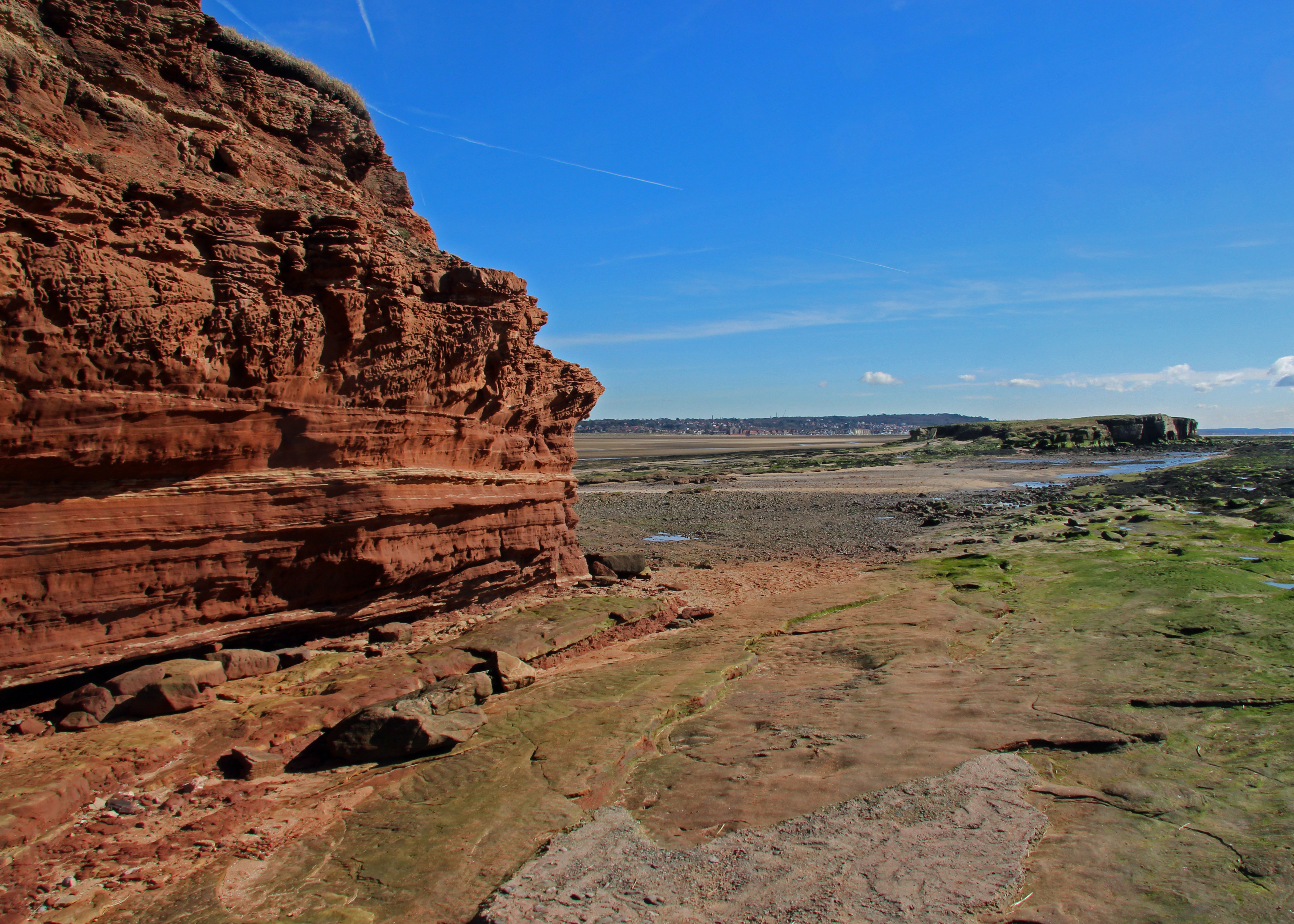

The Dee Estuary - Image by Roy Lowry
This strategy is not just about ambition—it’s a practical roadmap to halt nature’s decline, enhance Cheshire’s landscape, support businesses to become climate resilient and ensuring sustainable growth across the sub-region. We’re proud to lead this collaborative effort alongside our neighbouring local authorities and the Local Nature Partnership. I hope that in years to come our communities and future generations will live in nature-rich communities and landscapes where nature, people and business can thrive.


Nature Minister Mary Creagh said:
“I welcome this strategy as an opportunity to create bigger, better and more joined up areas for nature in Cheshire, benefitting local communities, alleviating flooding, making landscapes more climate resilient and improving health and wellbeing.
“This is an important step in the effort to recover nature and support prosperity in the county for the future.”
Natural England is delighted to support the launch of Cheshire and Warrington's Local Nature Recovery Strategy. This is a major step in our collective efforts to reverse nature's decline. By agreeing shared priorities and identifying the best places to restore habitats, we now have a clear, evidence-based framework to guide how we support nature and communities across our landscapes.

Everyone involved has done a fantastic job at pulling this ambitious strategy together and we look forward to working with Cheshire West and Chester Council, Cheshire East Council, Warrington Borough Council and other partners to turn this strategy into real action, creating bigger, better and more connected habitats where both wildlife and people can thrive.
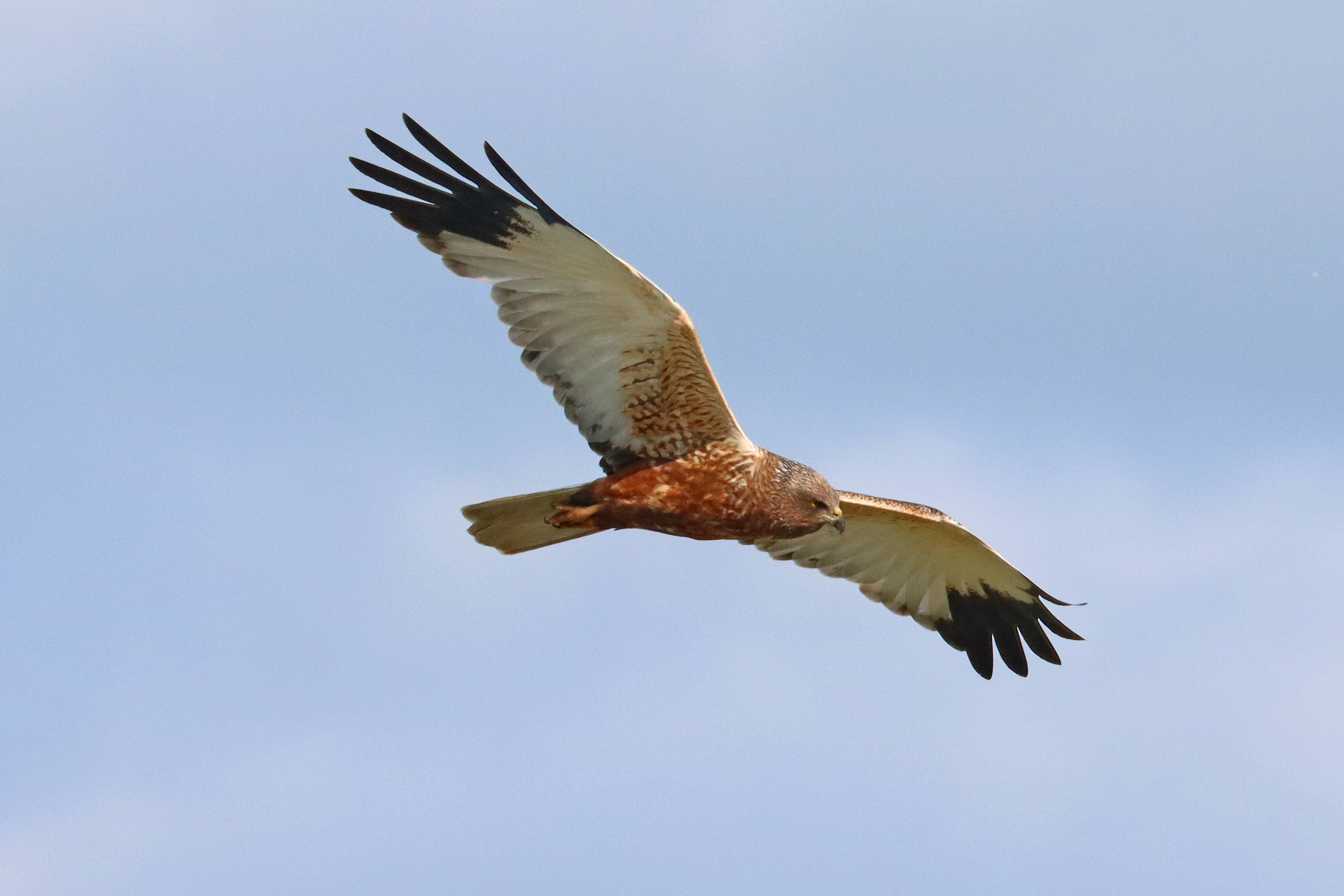
Marsh Harrier - image by Roy Lowry
Everyone can play a part in bringing the LNRS to life. From landowners to local residents, there is no area too small that can contribute to helping our wildlife to recover.
View the full Local Nature Recovery Strategy via the below link.
The Local Nature Partnership (LNP) are developing exciting opportunities to invest in nature’s recovery and connect more people with nature. If you are an interested business or individual, please get in touch via the LNP website.