
3.6.2 Material palette
The following palette must be used for all new adopted streets.
The only deviations allowed are:
- For schemes within Chester city centre, which must be designed to the Chester Public Realm Design Guideopens new window
- For matching existing paving on retrofit schemes (with approval from the Local Highway Authority)
- For high profile landscaping or public-realm projects (with approval from the Local Highway Authority).
Deviations from the palette set out in this design code will require a commuted sum equivalent to the one-off replacement cost of the materials used for the full stretch of replacement area.
Footpaths through public spaces should not be laid in black asphalt. Block pavers, bonded gravels or coloured asphalt should be used instead.
This palette sets the minimum adoptable standard. Developers could propose a higher specification of material than those recommended in the palette, which will be welcomed by the Council subject to a commuted sum (calculated as one-off replacement cost for the entire area where the non-standard materials are used) and demonstration similar performance statistics
In addition to this palette, developers could utilise asphalt for standard surface course. This should only be used in a sympathetic and proportionate manner that does not reduce the overall design quality of the palette proposed here
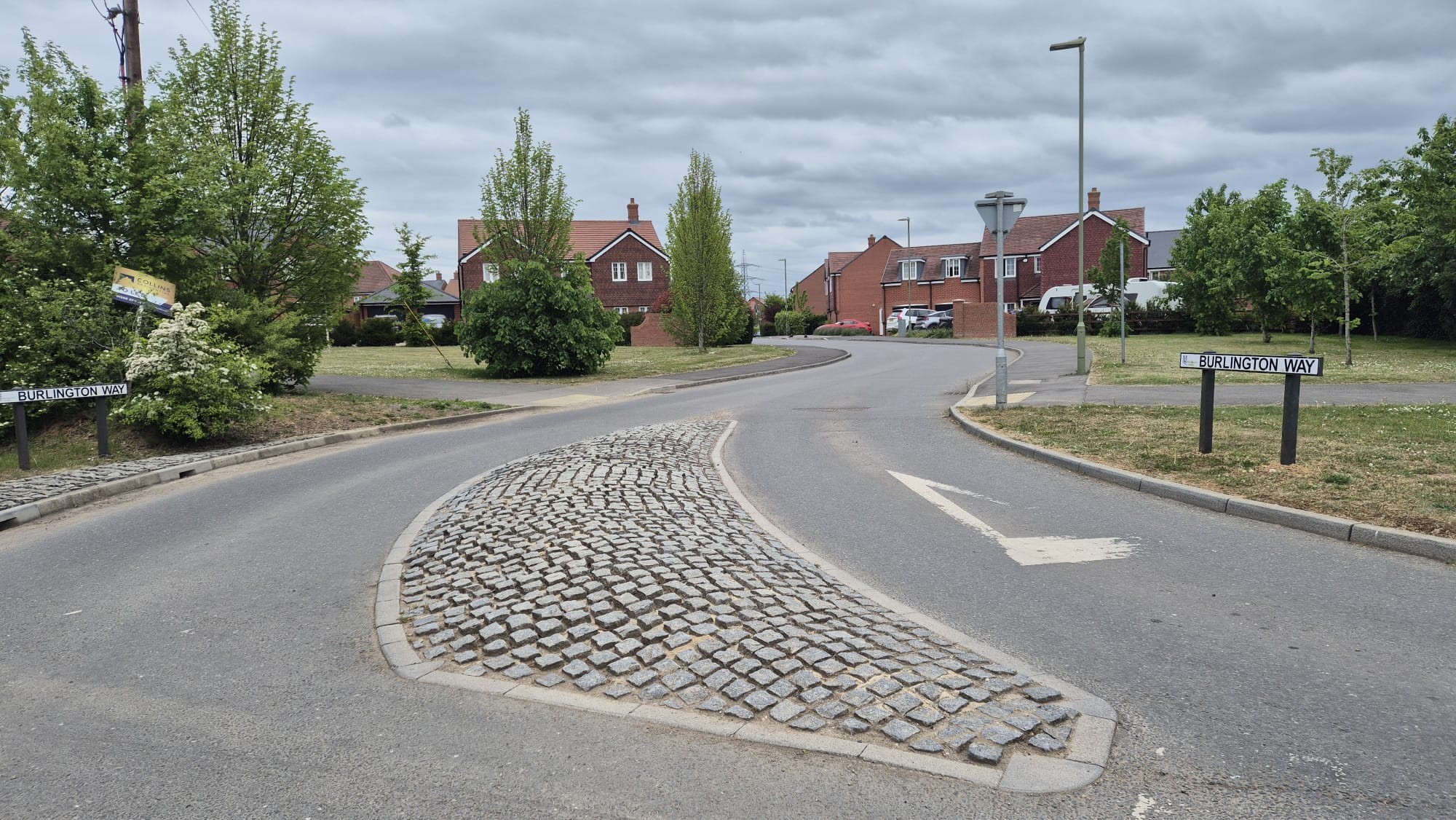
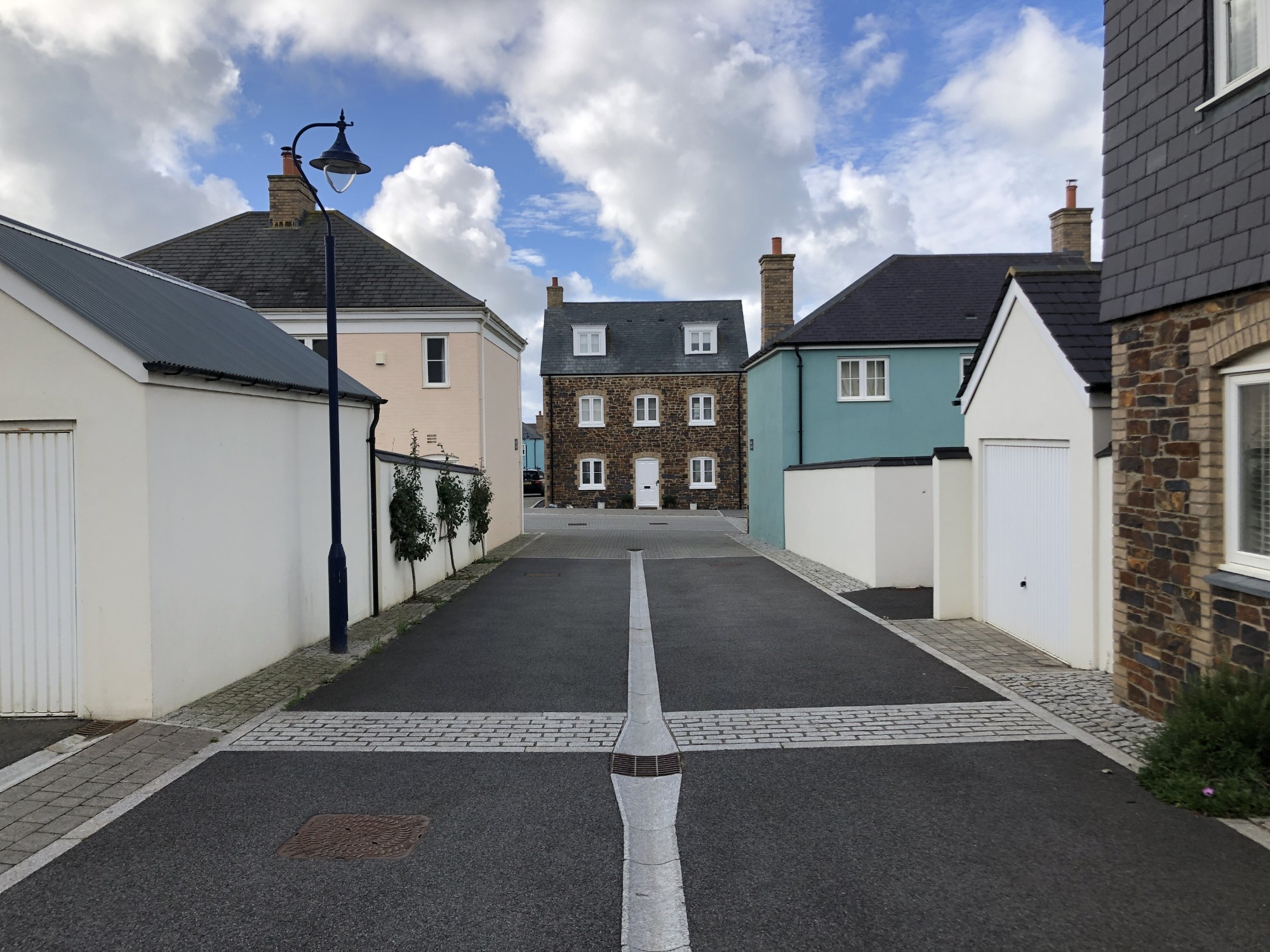
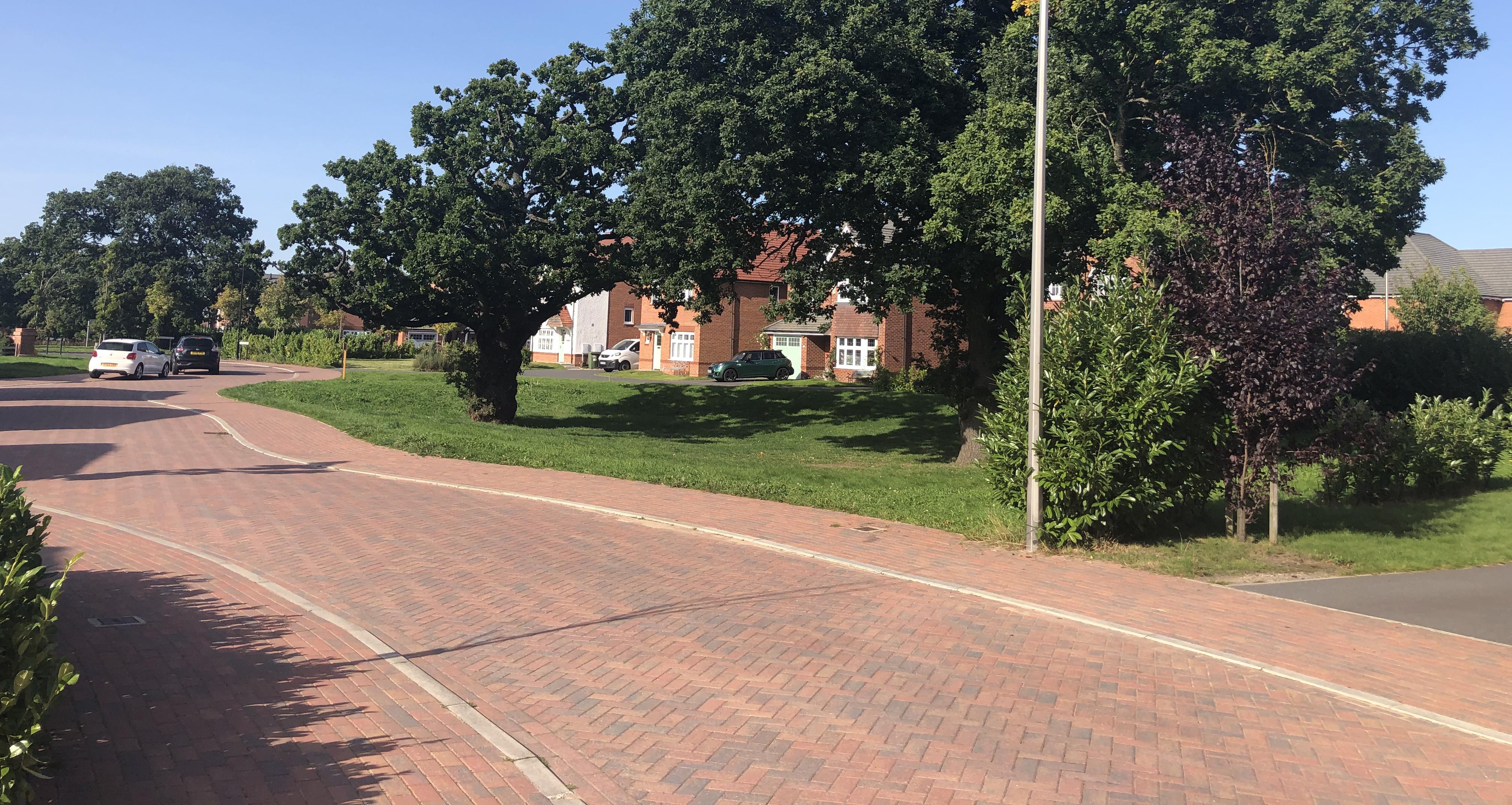
Block paving is employed to increase place quality and distinctiveness, Chorley, Lancashire
Material Palette
Materials for wider use within layouts
Concrete Block Paving
- Concrete
- 200mm (length) x 100mm (width) x 80mm (depth) rectangular block
- Colours- Natural, grey/charcoal or brindle
Example: Keyblok Paving | Marshalls | Marshallsopens new window
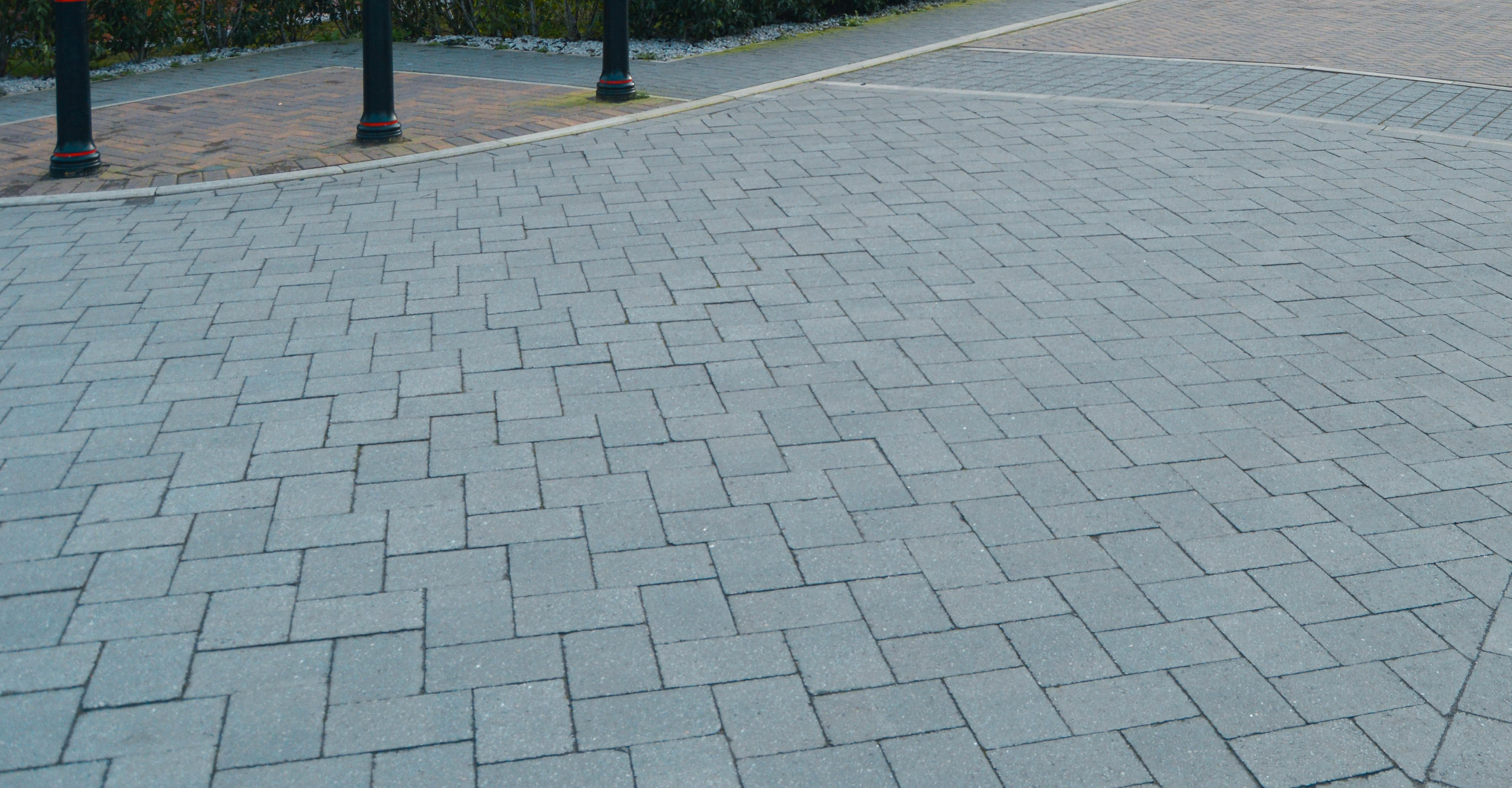
Tegula Block Paving
- Concrete
- Colours - Natural, grey/charcoal or brindle
- 240mm (length) x 160mm (width) x 80mm (depth) rectangular block
- 160mm (width) x 160mm (length) x 80mm (depth) square block
Example: Tegula Block Paving | Marshalls | Marshallsopens new window
Materials for modest use within layouts to enhance design
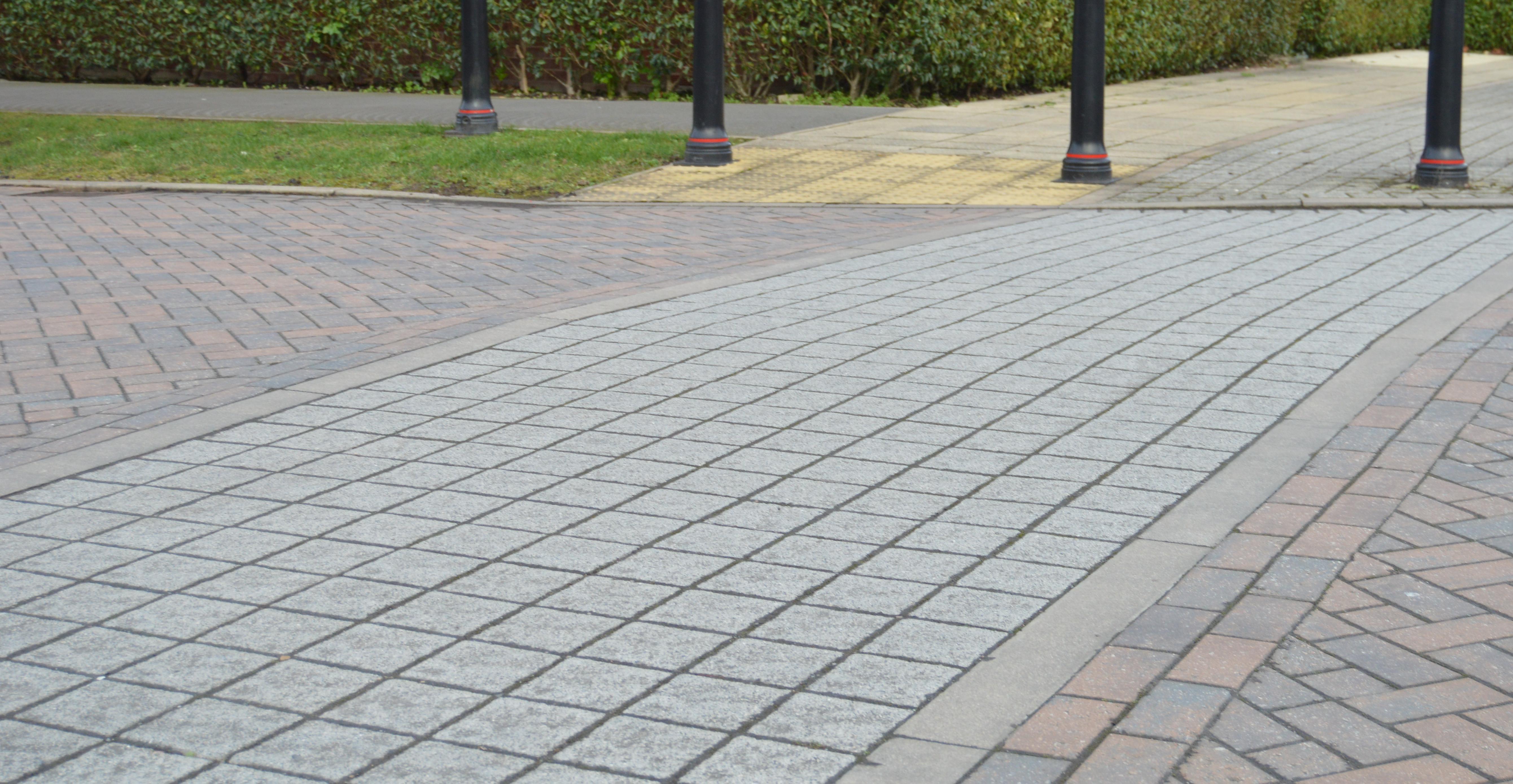
Conservation Block Paving
- Concrete
- To be used sparingly, as a design feature
- To be laid in stretcher bond (straight). Can be laid in herringbone pattern if deemed appropriate for wider use.
- 240mm (length) x 160 mm (width) x 80mm (depth) rectangular block
- 160mm (length) x 160 mm (width) x 80mm (depth) square block
- Colours - Natural and grey/charcoal
Example: Conservation X Block Paving | Marshalls | Marshallsopens new window
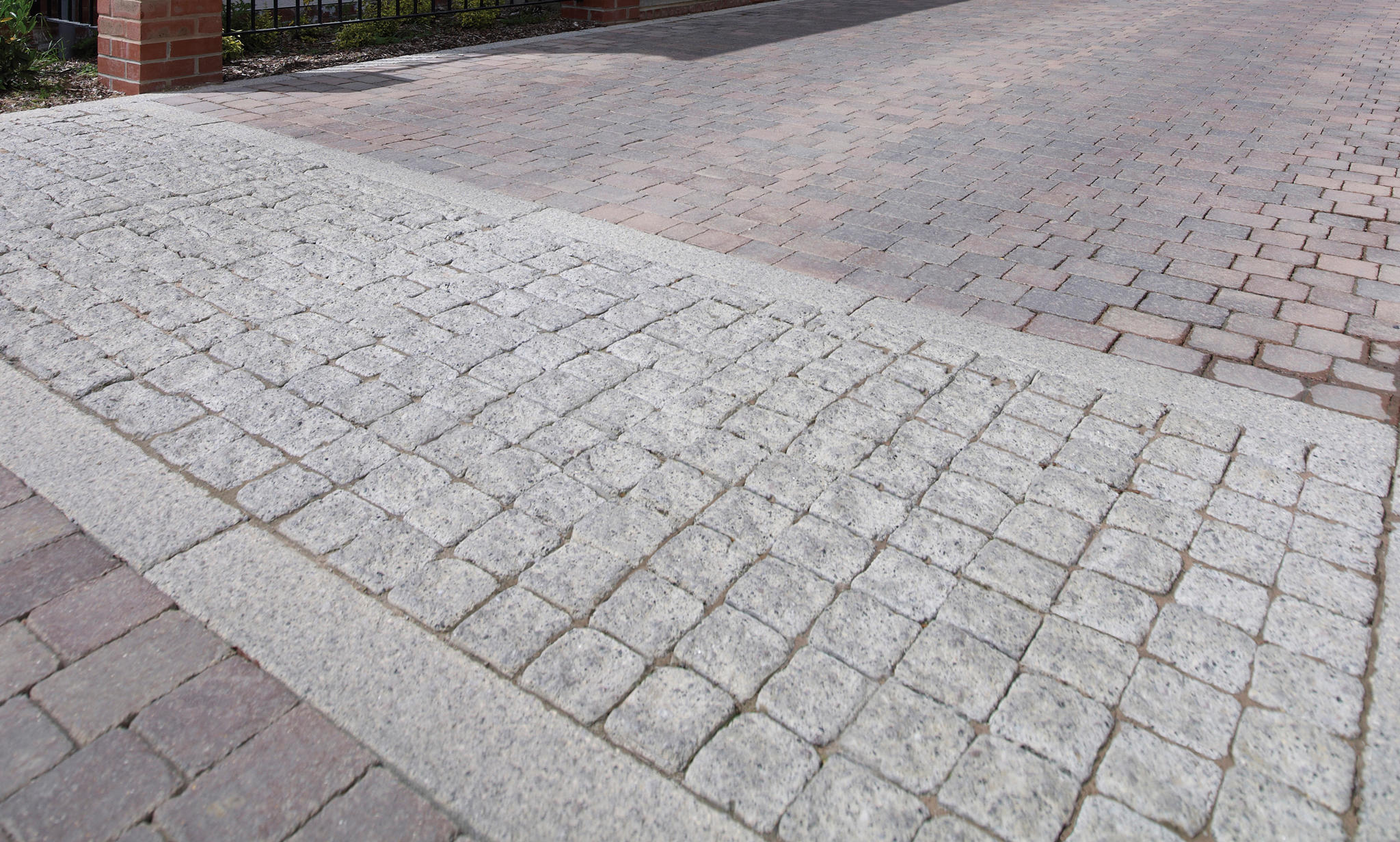
Conservation Setts
- Concrete
- To be used sparingly, as a design feature
- To be laid in stretcher bond (straight)
- 150mm (length) x 100mm (width) x 100mm (depth) rectangular block
- 150 x 150 mm square block
- One colour only
Example: Conservation X sett paving | Marshallsopens new window
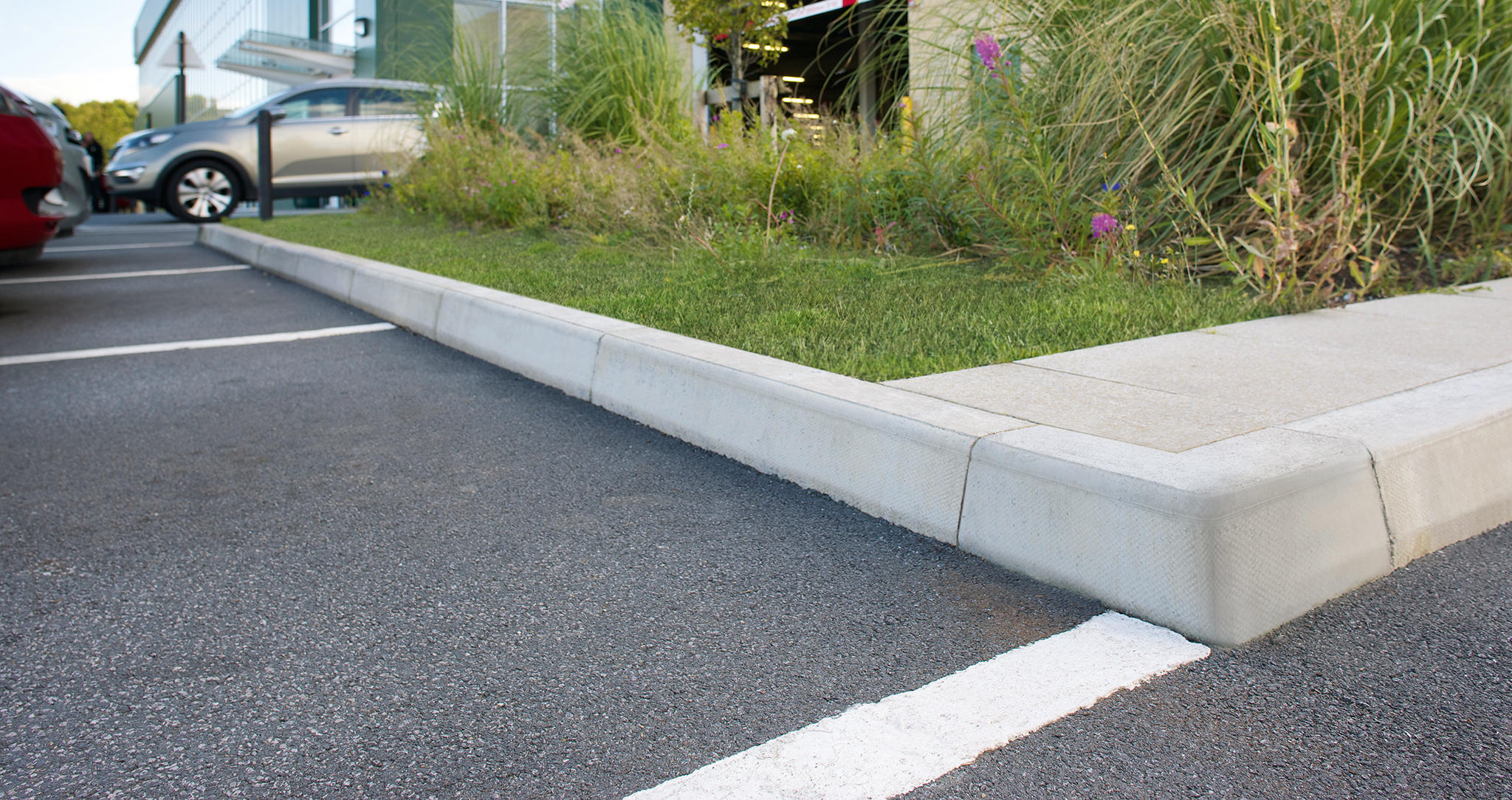
Kerbs - Wider use within layouts
British Standard Concrete Kerb
Example: British Standard Kerbs & Concrete Bullnose Kerbs | Marshallsopens new window
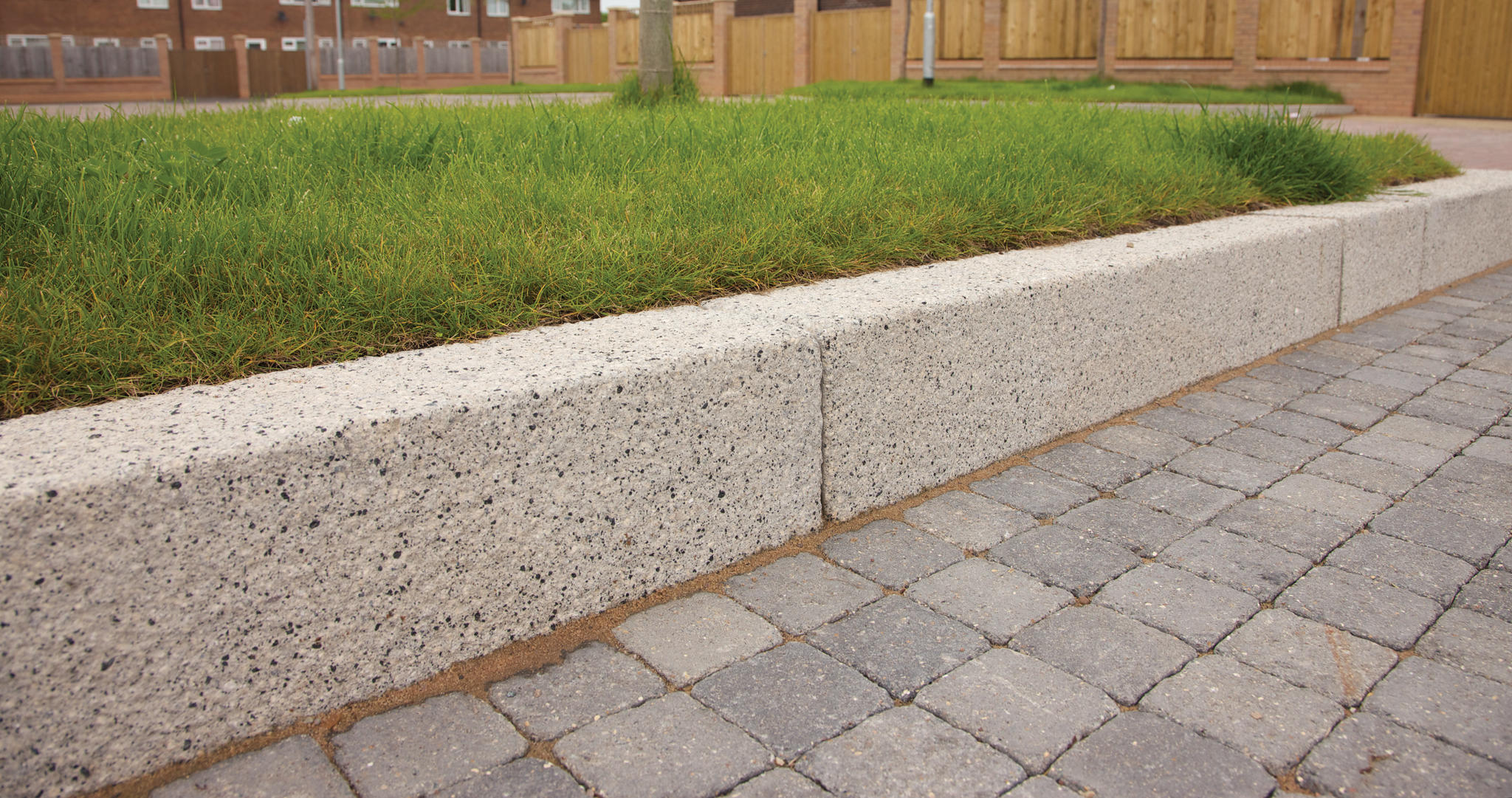
Conservation X Kerb and Edging
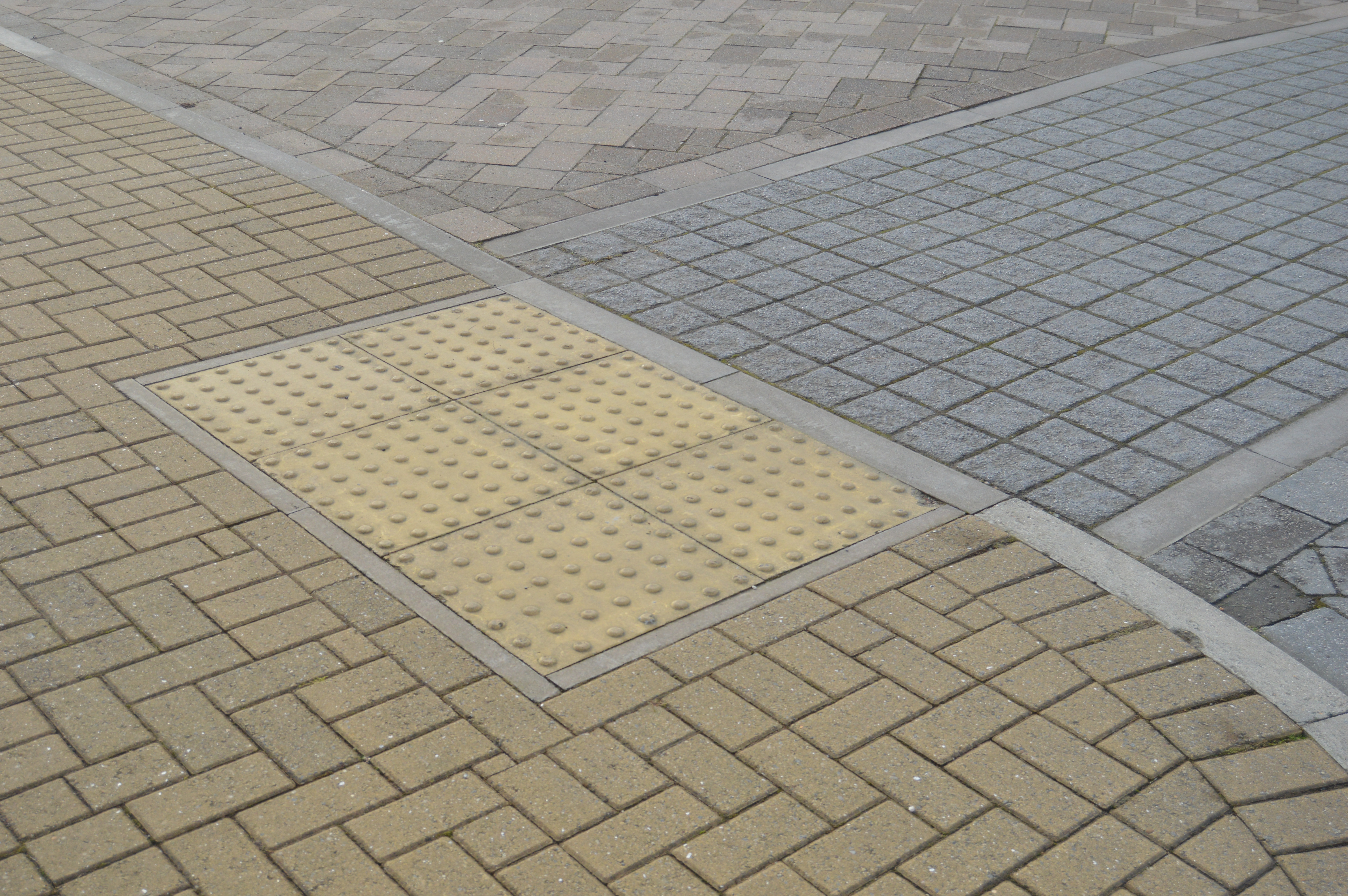
Tactile Blister Paving - for use at crossing points
- Concrete
- 450mm (length) x 450 mm (width) x 70mm (depth) paving slab
- Colours – Natural and buff
Example: Tactile Blister Paving Slabs | Marshallsopens new window
Rules for block paving designs
An edge course must always be used with block paving, unless it is laid parallel to the edge (i.e stretcher course).
Unless there is a strong design reason for doing so, multiple colours of paver should not be used on a single street.
Complex paving patterns with a variety of colours and textures should be avoided, particularly over large areas, as these could be overwhelming and confusing.