
3.5.4 Junction typologies
1. Raised table junctions
At junctions, raised tables act in a similar way to a continuous crossing, giving pedestrians priority over the junction and requiring vehicles to slow and give way.
They must only be used on junctions between:
- Secondary Residential Streets (Type 2.B)
- Secondary Residential Streets (Type 2.B) and Tertiary Streets
- High Streets - Low Traffic (Type 1.B) and Secondary Residential Streets (Type 2.B) or Tertiary Streets (Type 3)
Raised tables must be constructed at the same level, and in the same material as the footway and in a similar colour. If the footway is laid in the same material as the carriageway, a contrasting material must be used for the raised table.
The carriageway could be narrowed at raised tables, ideally using street furniture, street trees or other planting, to reduce the crossing distance and help reduce vehicle speed as much as possible.
There is no need to continue the kerb line at raised tables junctions in new streets, and it could be omitted. Although this may be necessary for retrofit schemes where retaining the kerb will simplify design and construction.
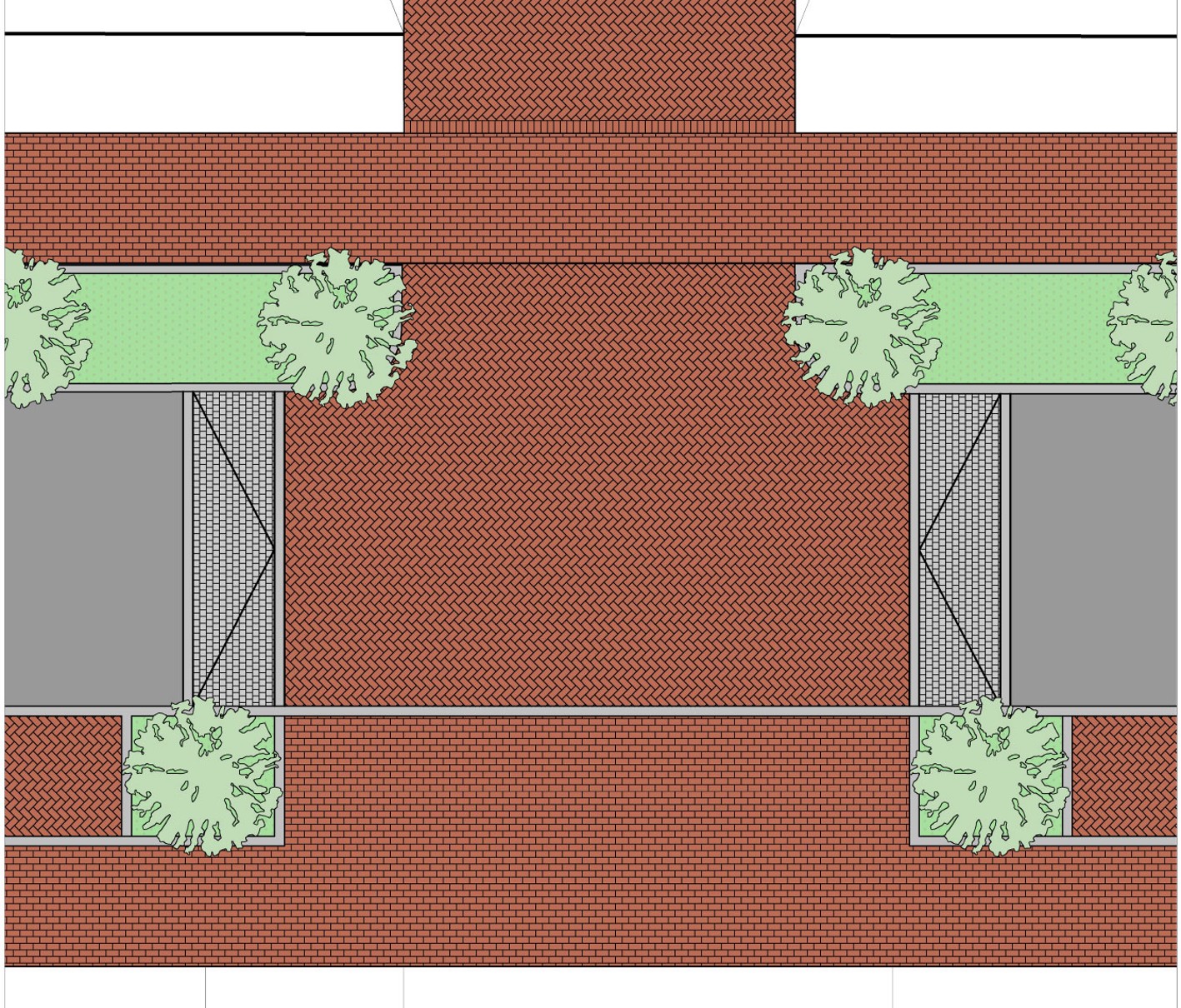
2. Crossroads, T and Y Junctions and multi armed junctions
New junctions must be in accordance with the palette of junction types below:
- Crossroads and staggered crossroads
- T-junctions
- Y-junctions
- Multiarmed junctions
Most junctions between minor streets, and minor and major streets will be a crossroad, a T or a Y junction. Multi armed junctions are more complex junctions where more than four streets meet. They can serve multiple street typologies, including as Principal Streets and High Streets.
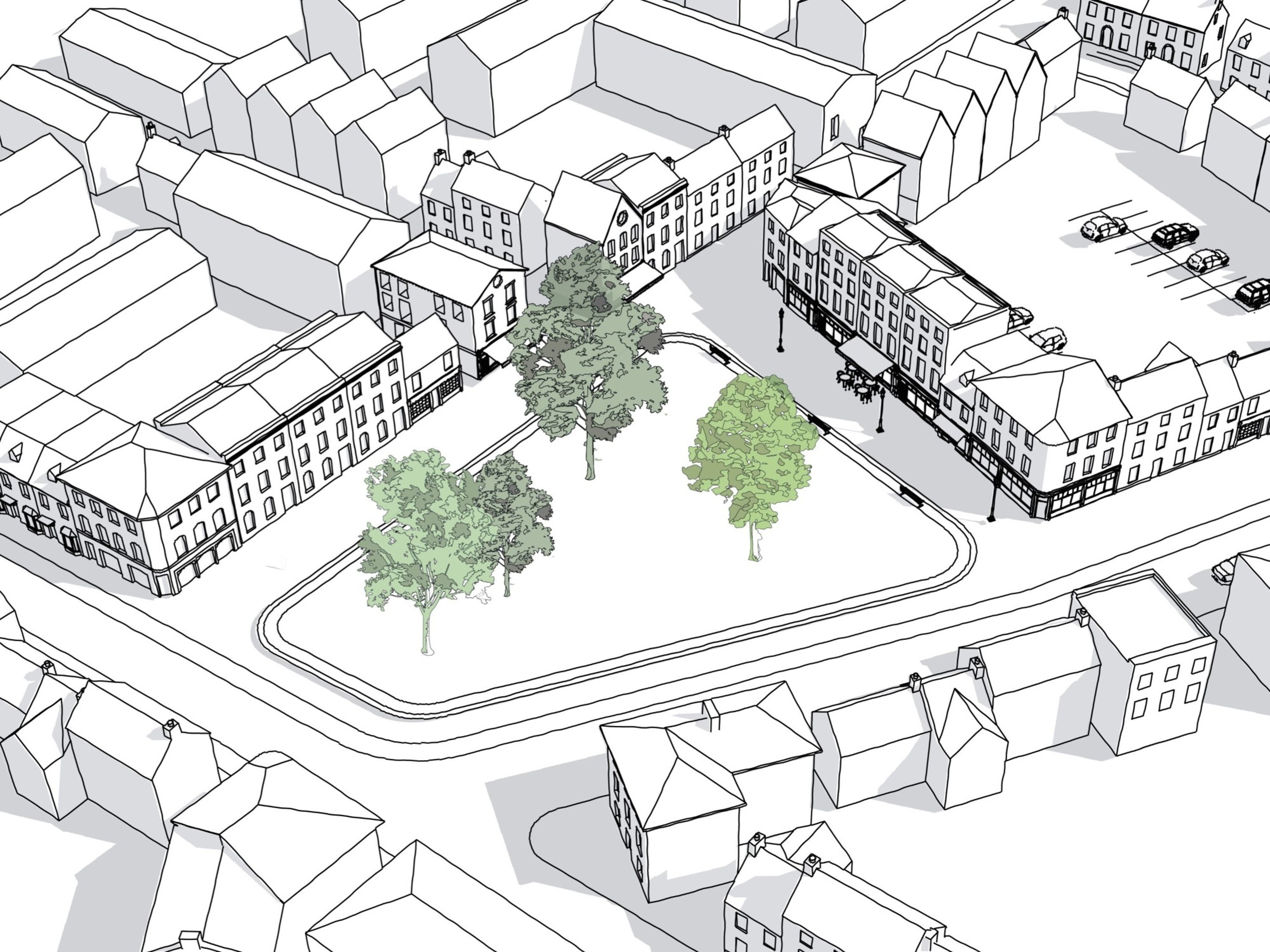
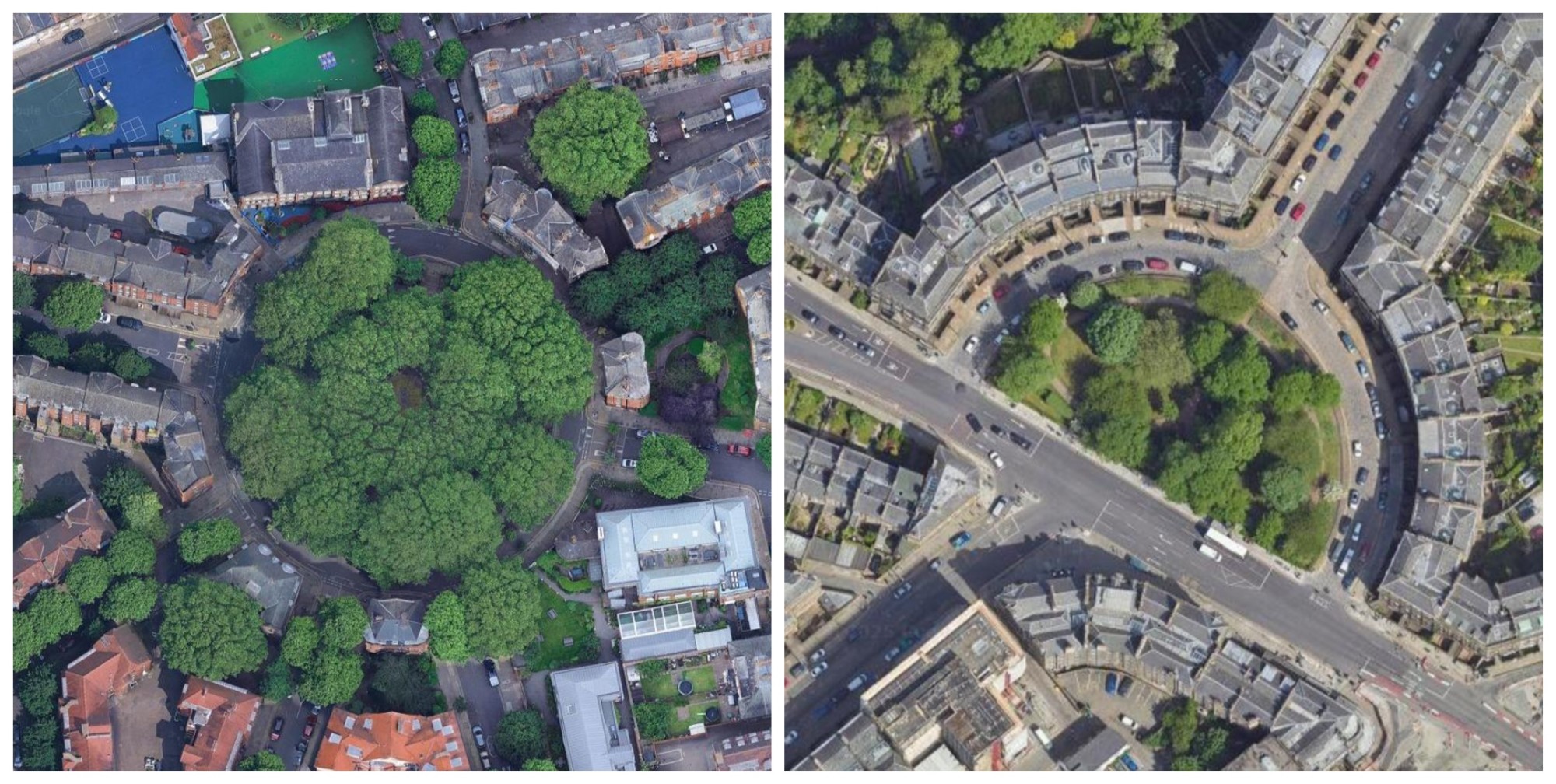
3. Formal and informal squares, circuses or crescents
Junctions are a natural place to create public spaces such as greens and public squares. These can also take the form of a circus (not to be confused with a roundabout) or a crescent.
Full Junction Bypass
On new and existing junctions, it may be better to divert cyclists around the junction and across the main street outside the main junction area.
Where used, a junction bypass must be as direct as possible and clearly signed and segregated.
CYCLOPS or Circulating Stage Junction
Using an orbital cycle track encircling the junction, cyclists only have to give way to the right to other cyclists. These are not space efficient and while simple to use, can lead to visual clutter and leftover spaces. Nonetheless, there are instances where they are the best option for providing cycle connectivity through a junction.
CYCLOPS and circulating stage junctions should be avoided in residential areas owing to the large land take. They are suitable for retrofit situations.