3.5.7 Formal crossing typologies
Formal Crossings
The following section sets out the design requirements for the different types of formal crossings. These include:
- Zebra and parallel crossings
- Signalised pedestrian, cycle, and equestrian crossings.
Zebra crossing and parallel crossings
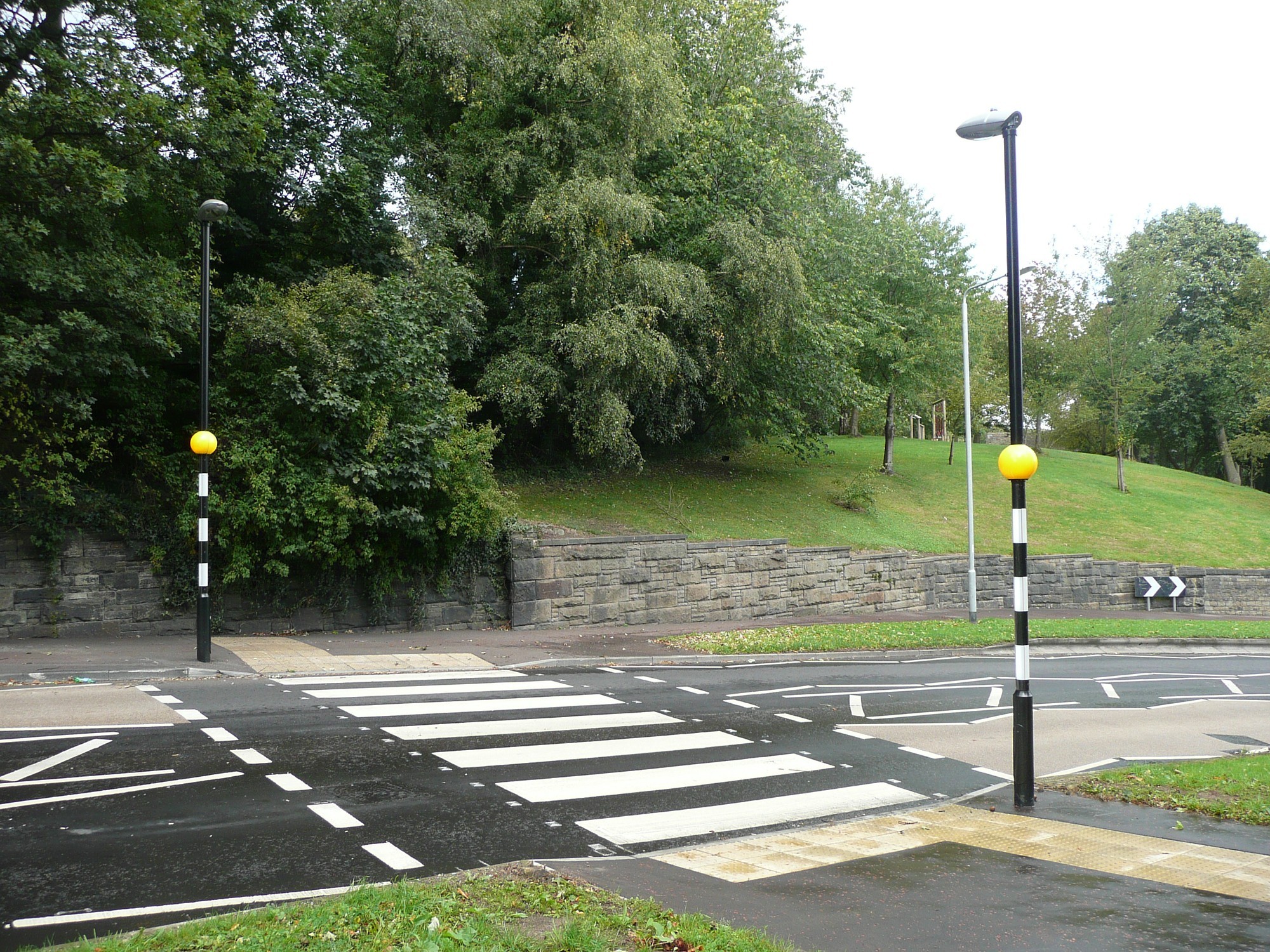
For areas with a combination of high traffic and high footfall, zebra crossings can be used to provide pedestrians with priority as they cross from one side of the street to the other. They are marked with white parallel strips and flashing yellow ‘belisha’ beacons. Parallel crossings also include space for cyclists, demarcated with 'elephants foot markings'.
Zebra and parallel crossings should be used in conjunction with a raised table to provide a level crossing and traffic calming.
The crossing chould be combined with a narrowed carriageway to slow traffic and reduce crossing width.
Signalised pedestrian, cycle, and equestrian crossings.
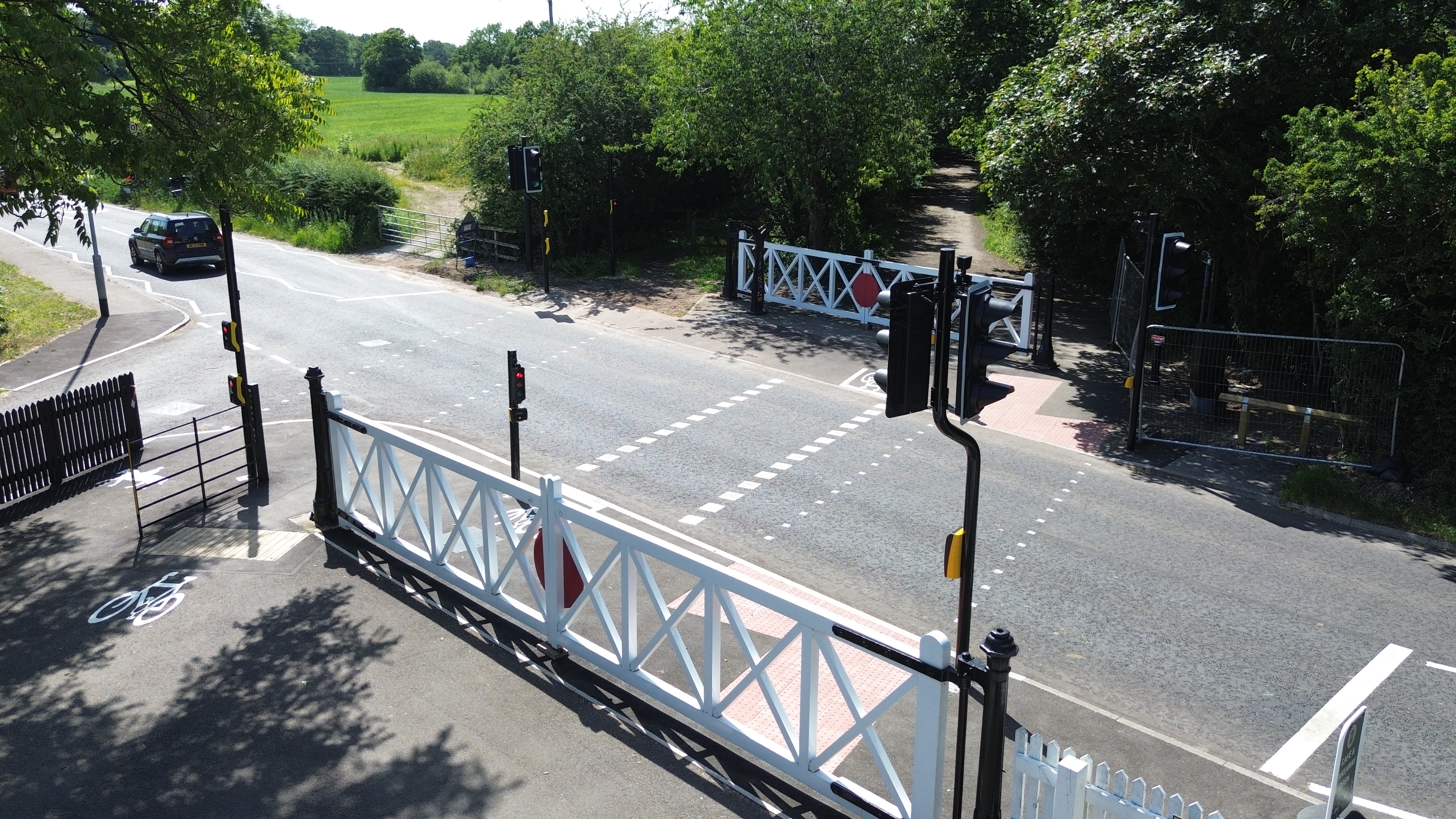
Signal-controlled crossings are used on busier streets or roads. These include Puffin, Toucan (for cyclists) and Pegasus (for equestrians). Cheshire West and Chester Council has also developed an innovative Trixie crossingopens new window, providing segregated crossing facilities for equestrians, cyclists and pedestrians within a single crossing.
Most new streets will not require signalised crossings, as they should have relatively low traffic, but they may be required on retrofit schemes and to better connect new developments.
Signalised crossings must be used on all streets or roads which meet the following criteria:
- Design speed, or 85th percentile speed, above 30 mph.
- Traffic flow greater than 12,000 pcu/day
Retrofit installations of signalised crossings are subject to suitability appraisal carried out by the Local Highway Authority.
Pedestrian wait times, from pressing the button to changing the signals, should be no more than 60 seconds.