3.5.6 Informal crossing typologies
Informal Crossings
The following section sets out the design requirements for the different types of informal crossings.
These include:
- Continuous side-road crossings
- Uncontrolled crossings or courtesy crossings
- Informal zebra crossings
- Raised table crossings
Continuous side-road crossings
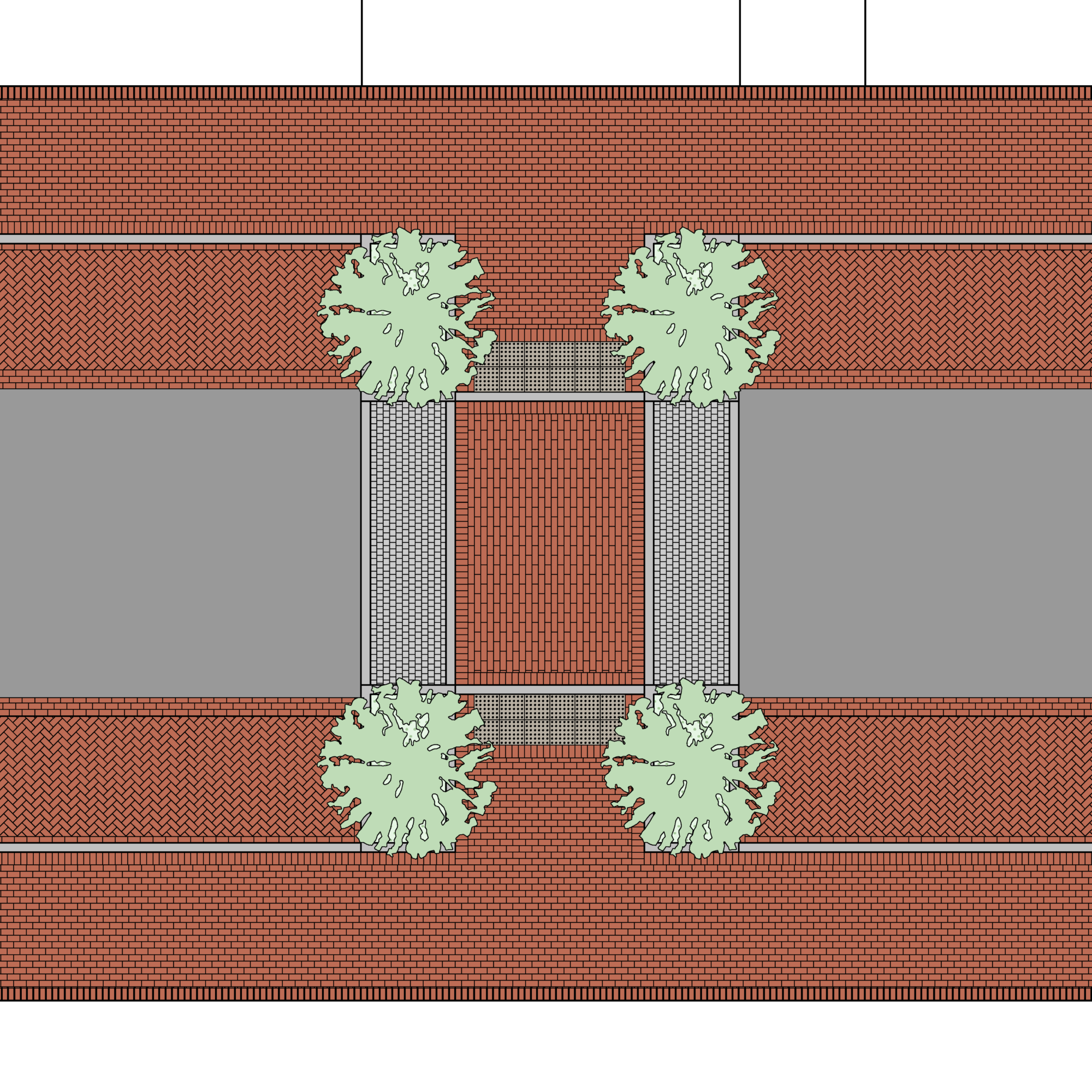
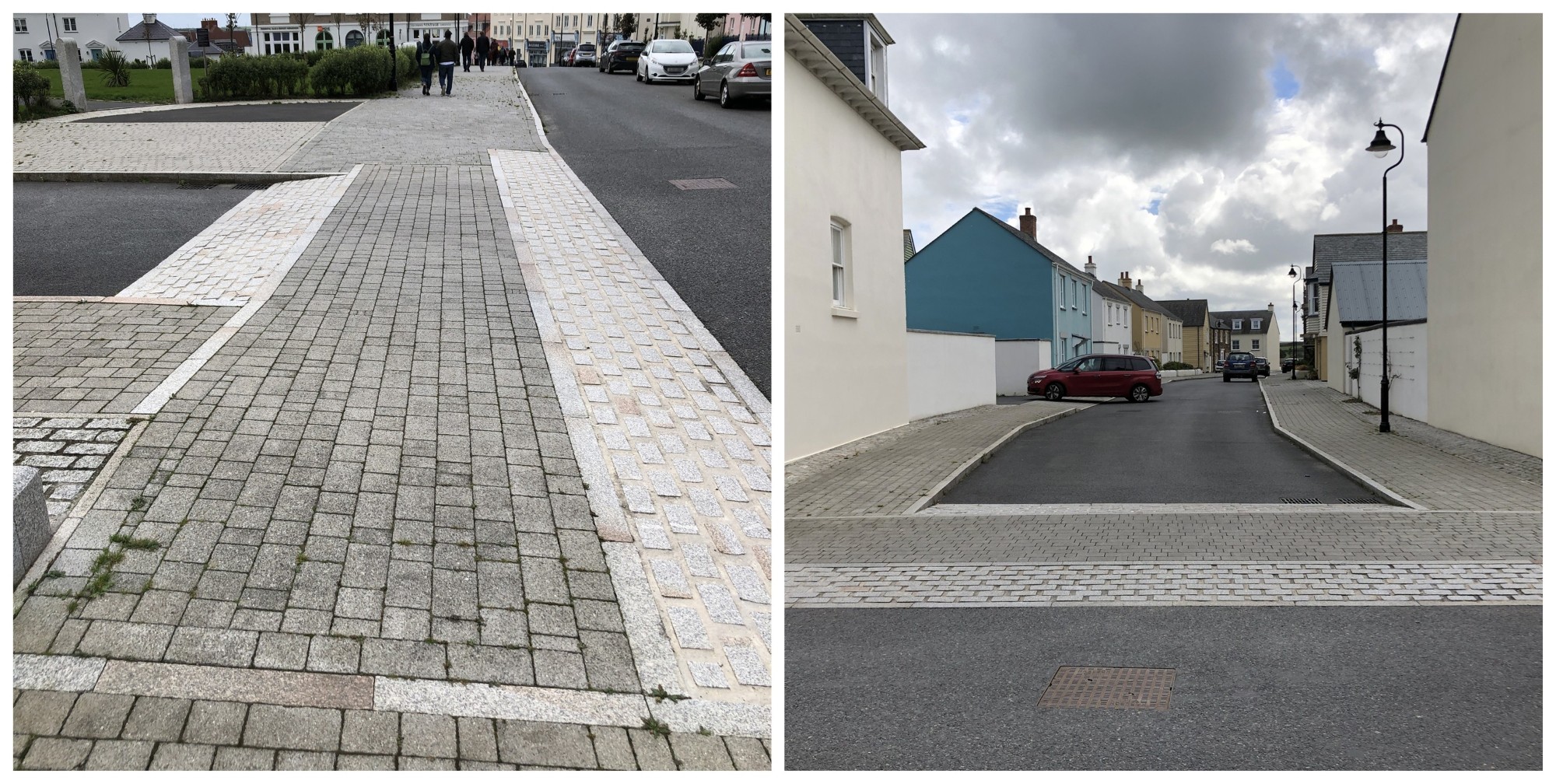
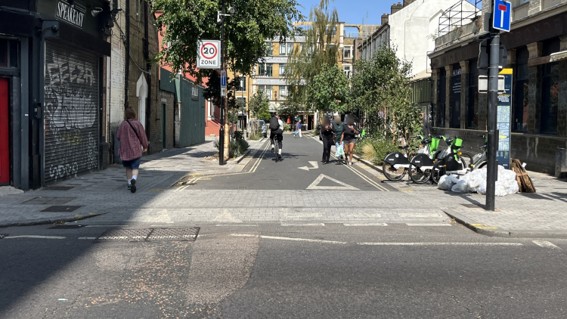
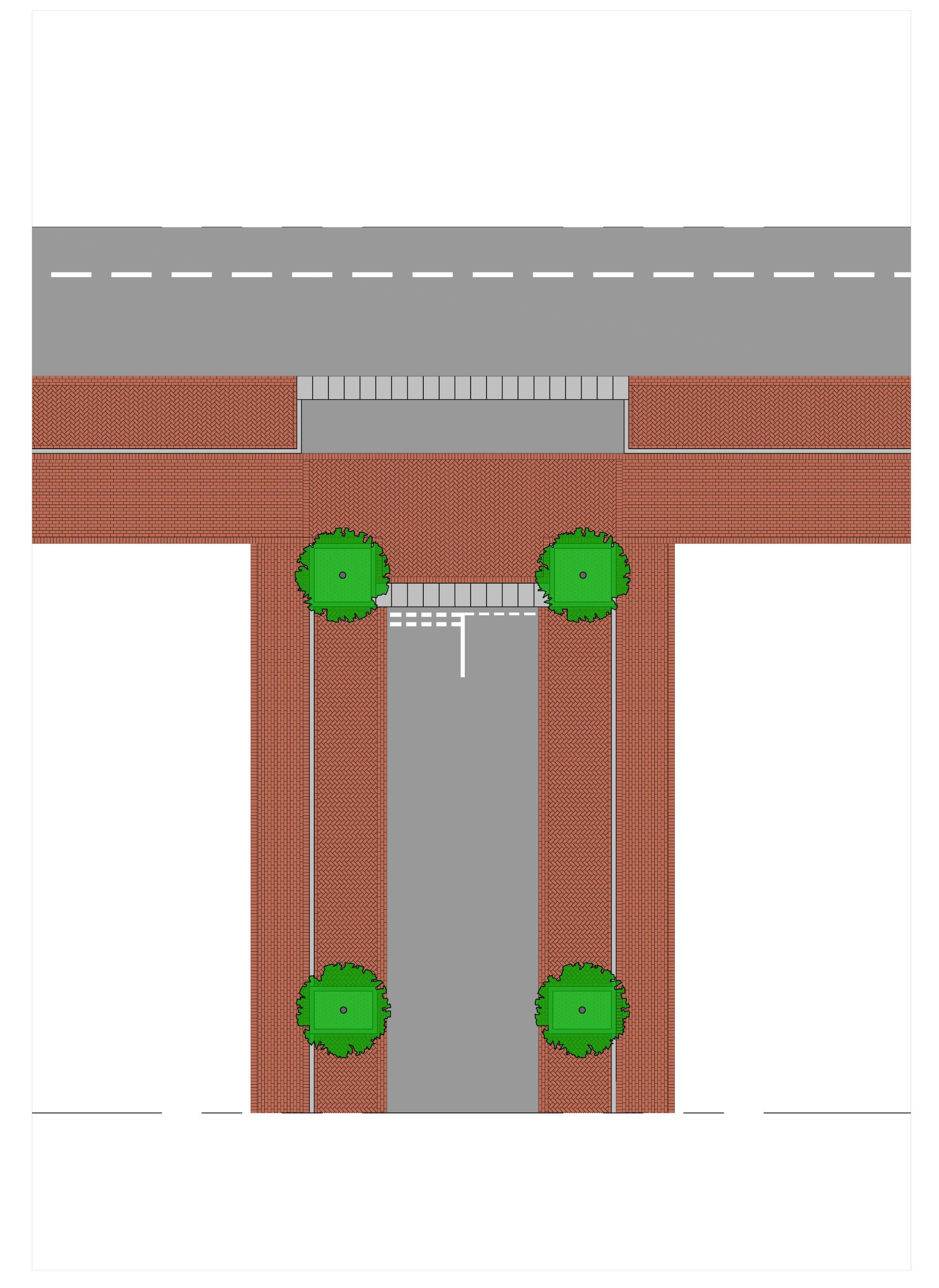
These are extensions of the pavement across junctions of local and other tertiary streets from primary or Secondary streets. The benefits of continuous crossings include:
- Providing an uninterrupted route for pedestrians and cyclists;
- Providing a clear visual and tactile indication that pedestrians and cyclists have priority, in line with the movement hierarchy;
- Reducing vehicle approach and turning speeds; and
- Providing a ‘gateway’ feature to indicate the transition into quieter streets, signalling the need for drivers to behave differently in the new environment.
Continuous crossings must include tactile paving in line with DfT guidanceopens new window
Continuous crossings must be used instead of courtesy crossings on the transition between Principle Streets, Secondary Residential (Type 2.B) and Tertiary Streets (Type 3) with lower order streets.
Continuous crossings should only be used to cross 20 mph streets, and the design speed of the main street must be no more than 30 mph.
The crossing should be the same width as the main pavement and use the same surfacing material. If the existing pavement and carriageway, a contrasting pavement material should be used for a short section (typically 3.0m) either side of the crossing to differentiate.
The crossing should be the full width of the adjoining footway and use matching surfacing materials to reinforce pedestrian priority. Where the footway and carriageway are constructed from the same material, a contrasting footway surface shall be provided for a minimum length of 3.0m on either side of the crossing to clearly define the pedestrian route.
Uncontrolled crossings or courtesy crossings.
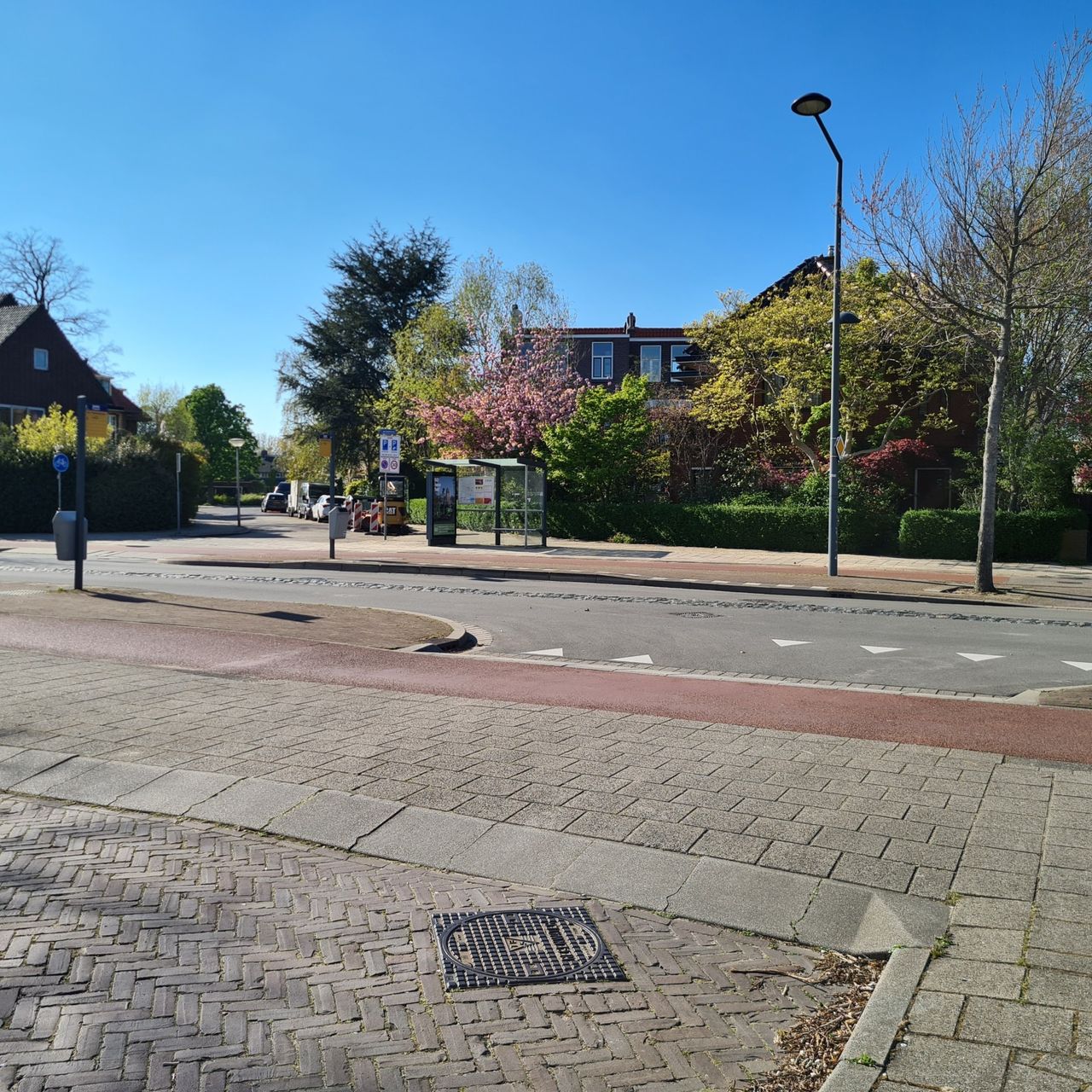
These simple crossings have dropped kerbs and tactile paving, allowing pedestrians to cross when they feel comfortable but have no formal priority.
Courtesy crossings should only be used mid-link i.e. crossings that are installed away from junctions to facilitate safe crossings where significant desire lines exist.
The crossing should be laid in a contrasting material to the carriageway, ideally in the same material as the footway.
Raised table crossings
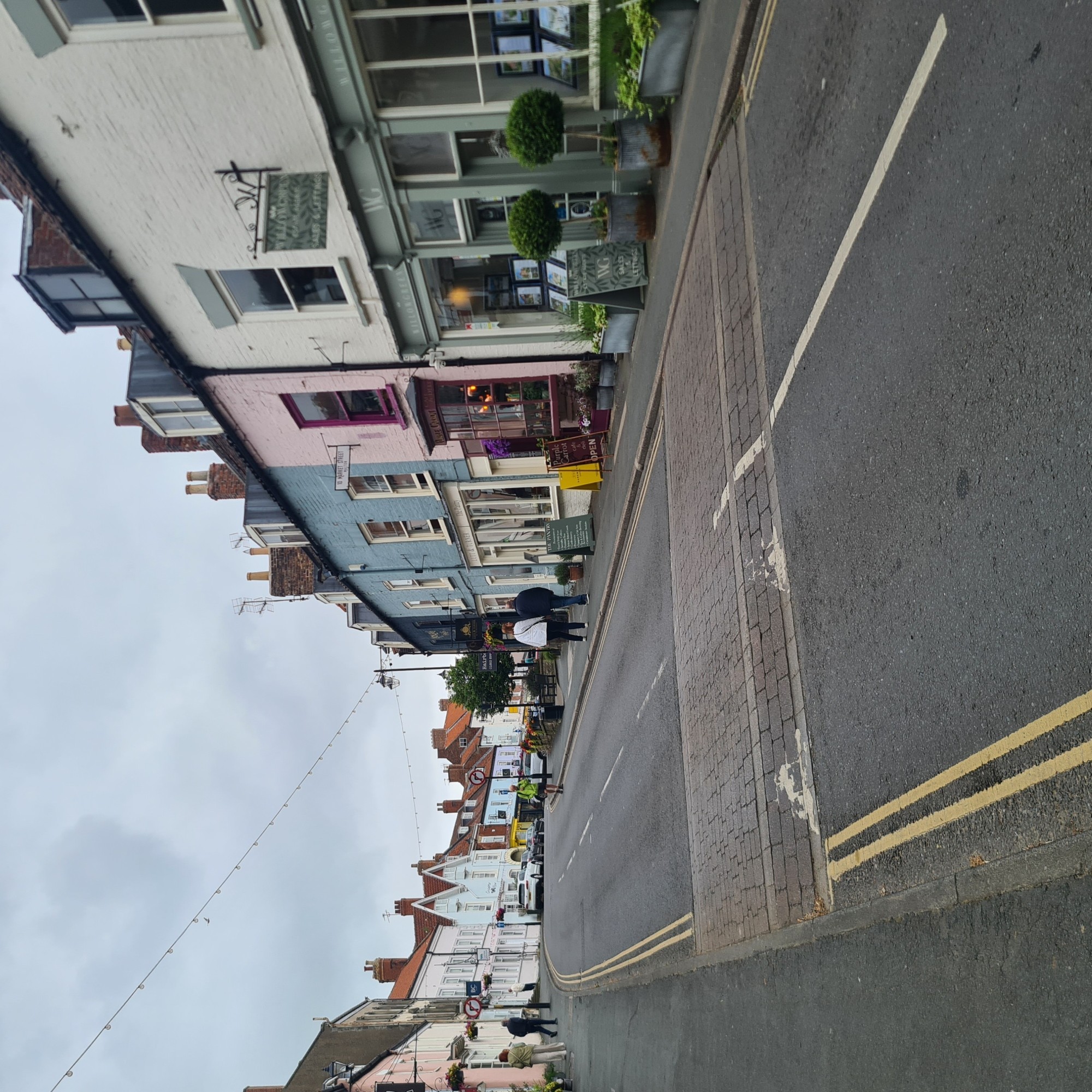
These are constructed at the same level as the footway to slow traffic. Unlike continuous crossings, they are used across the main carriageway, rather than on side streets. They should be used wherever there is likely to be a higher pedestrian or cyclist flow, such as on high streets or outside schools.
Raised tables must be constructed at the same level as the footway, with a minimum width of 2m.
The crossing must be constructed in either:
- The same material as the footway, or
- A contrasting material to the carriageway.