Identity

6.8 Boundary walls and fences

Boundary treatments play an important role in settling a new building into its street.

MUST

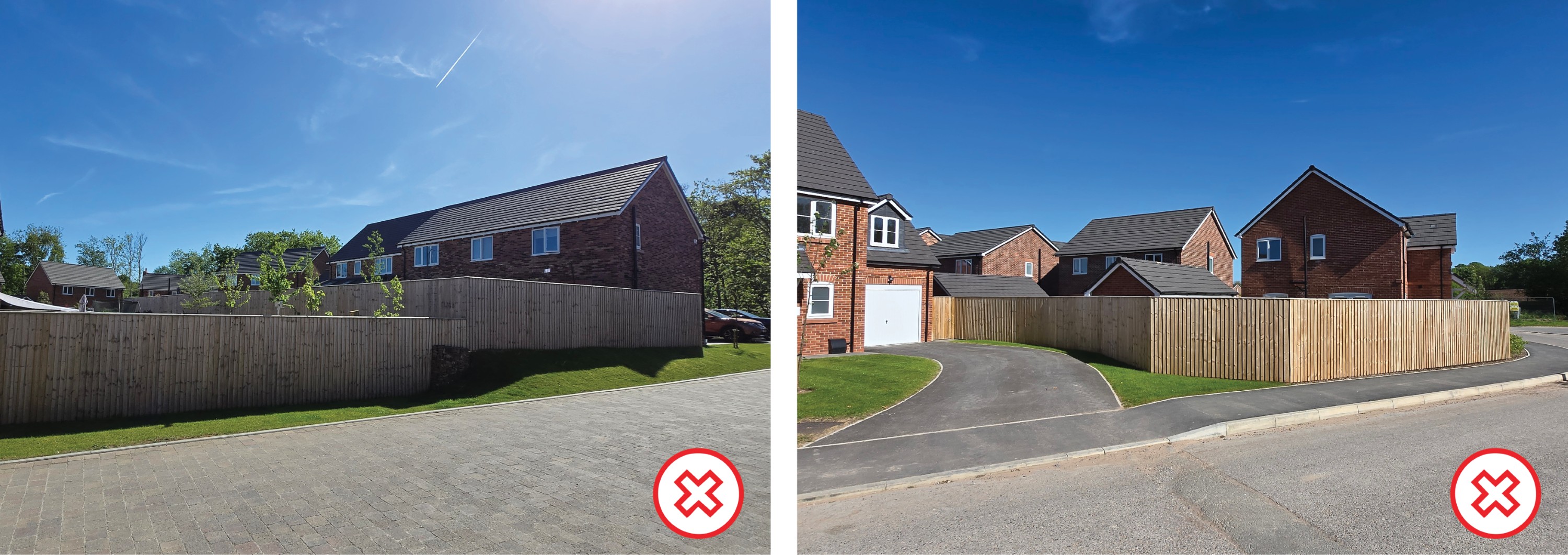
Close board fencing must not be used as public-facing boundary treatment.

SHOULD

In commercial buildings, paladin fencing should be used on public-facing boundaries. If chain link fencing is unavoidable for security reasons, it should be screened by planting.

SHOULD

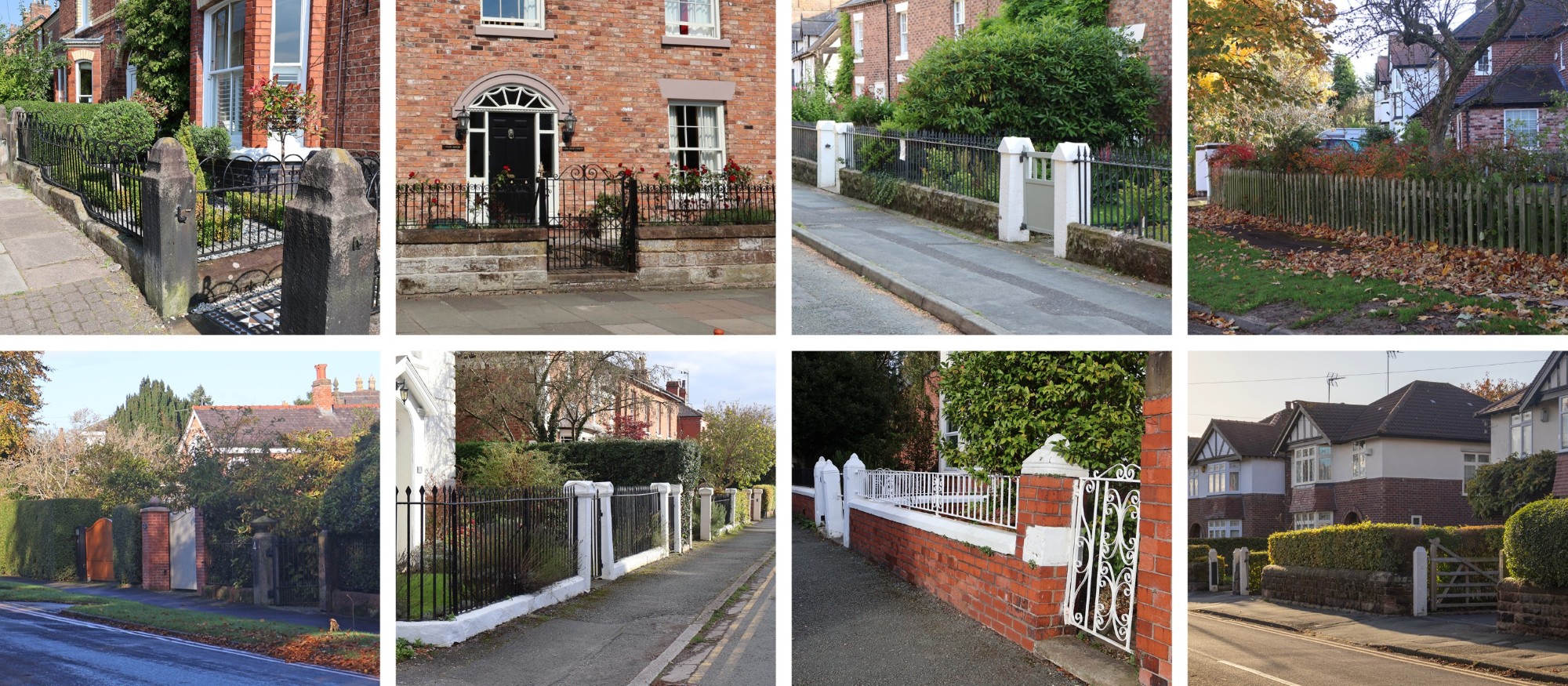
The following boundary wall materials should be used (by area type):

  1. Chester city centre: Brick, local stone
  2. Local centre: Brick, local stone
  3. Urban neighbourhood: Brick, local stone, hedge
  4. Suburban: Brick, local stone, hedge
  5. Village: Brick, local stone, Cheshire railings, timber picket hedge
MUST

Gates must be timber or painted metal.

SHOULD

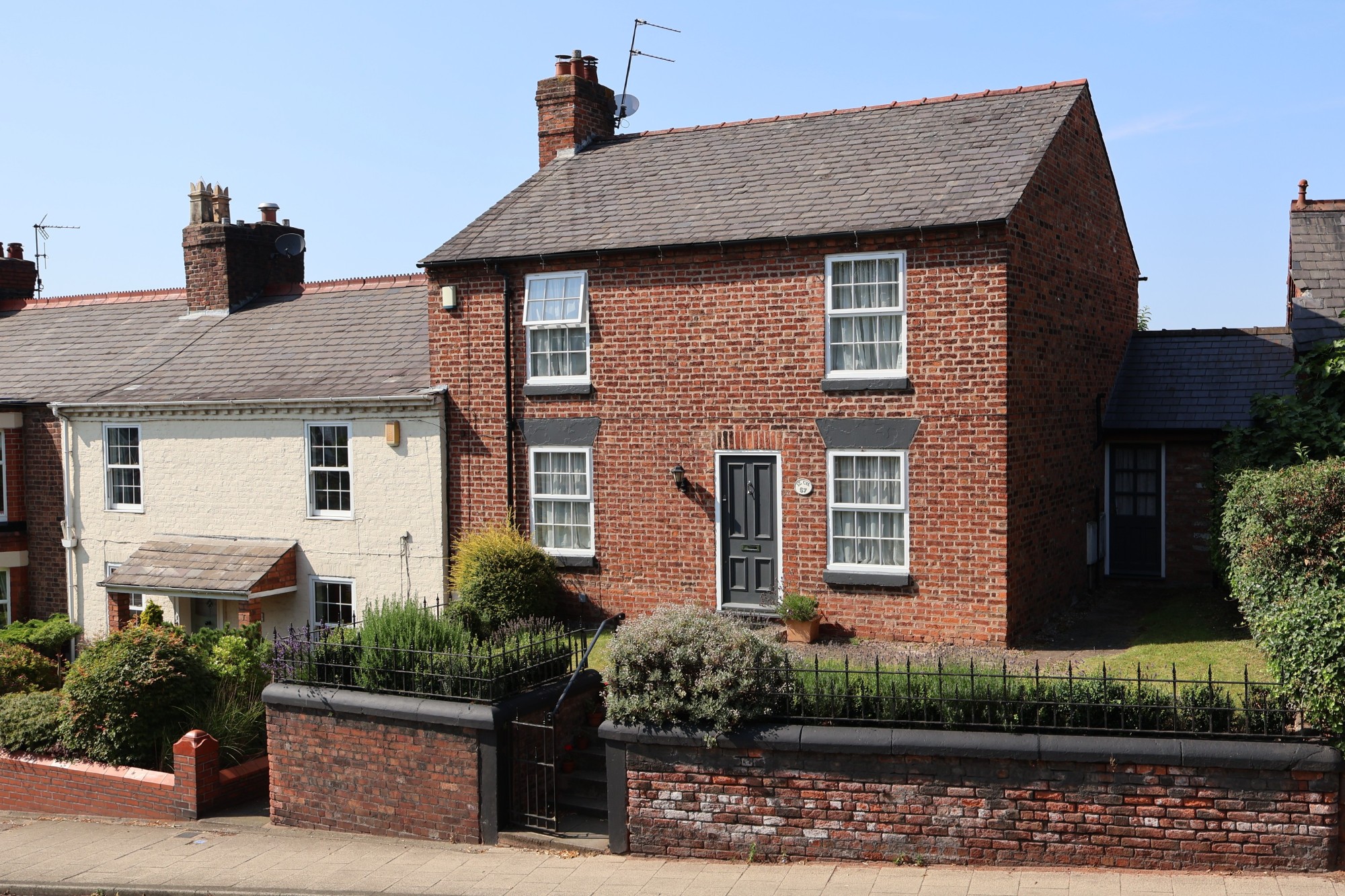
Brick walls should use coping stones or coping bricks

COULD

Railings and hedges could be used in combination with stone or brick.
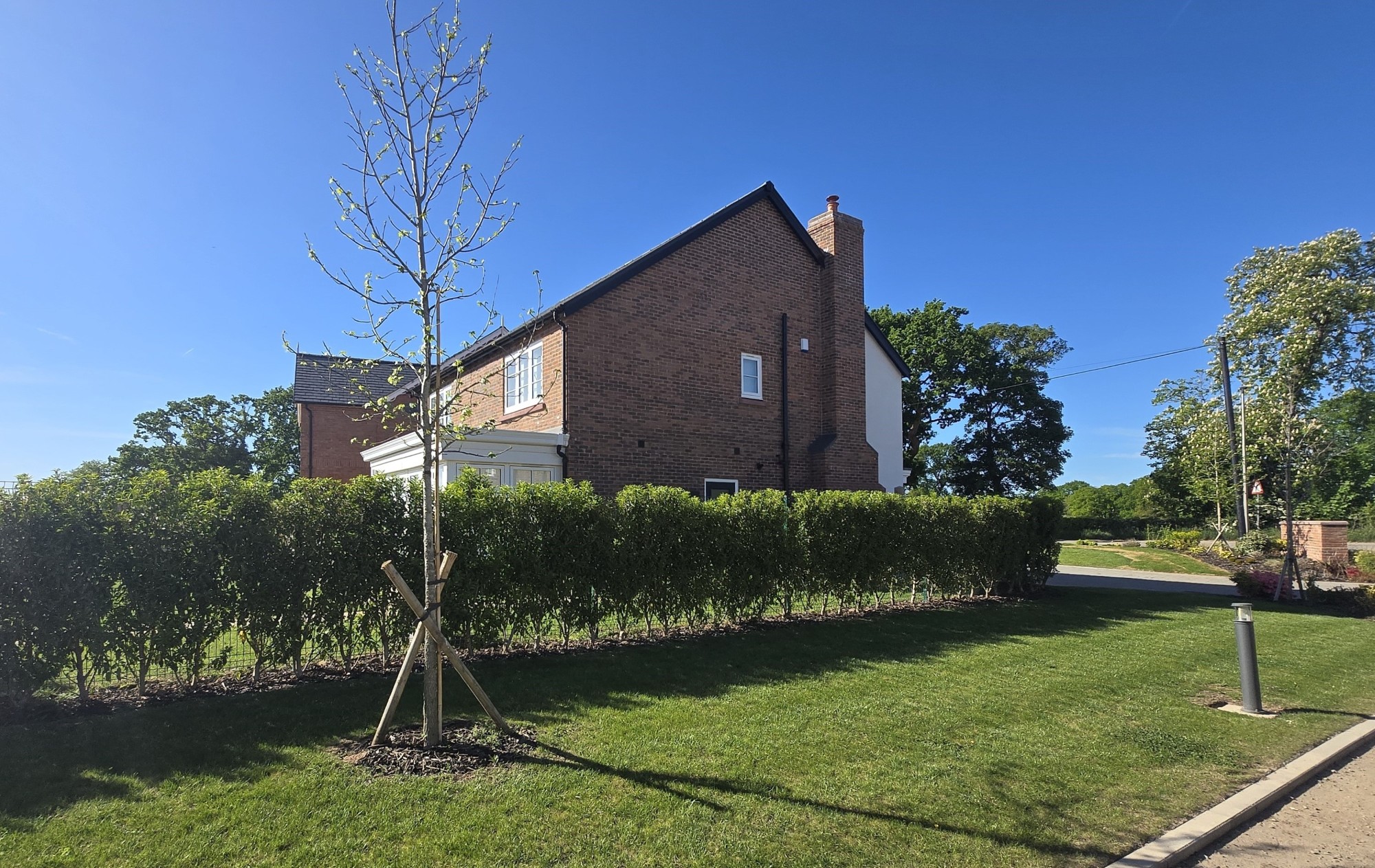
Hedge and Mesh Boundary Treatment, Tattenhall image
Fig 6.52 Hedges are an appropriate boundary treatment in suburban and village locations like this example in Tattenhall, Cheshire.

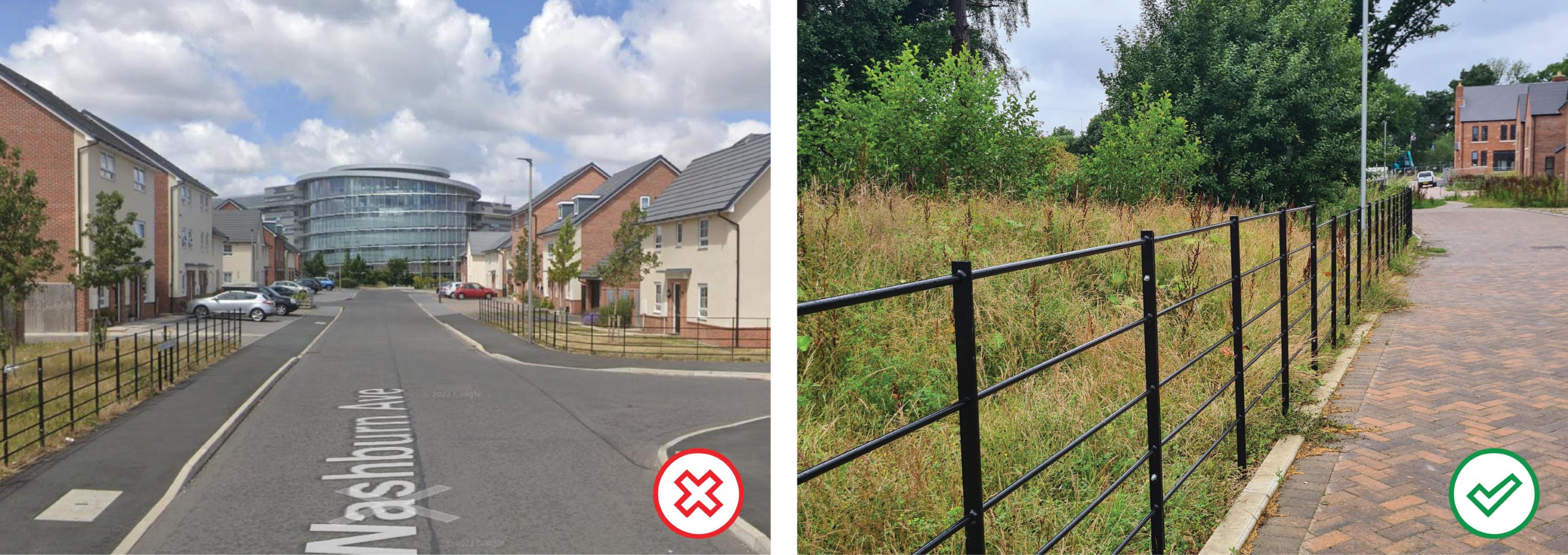
Cheshire railings good and bad image
Fig 6.53 Cheshire railings should not be used in an urban setting such as Ellesmere Port (left) [Charlie - do you have your own photo of the Ellesmere Port view?]. They are more appropriate in a suburban or rural context, Delamere, Cheshire (right).

7.7 Boundary - Delamere image
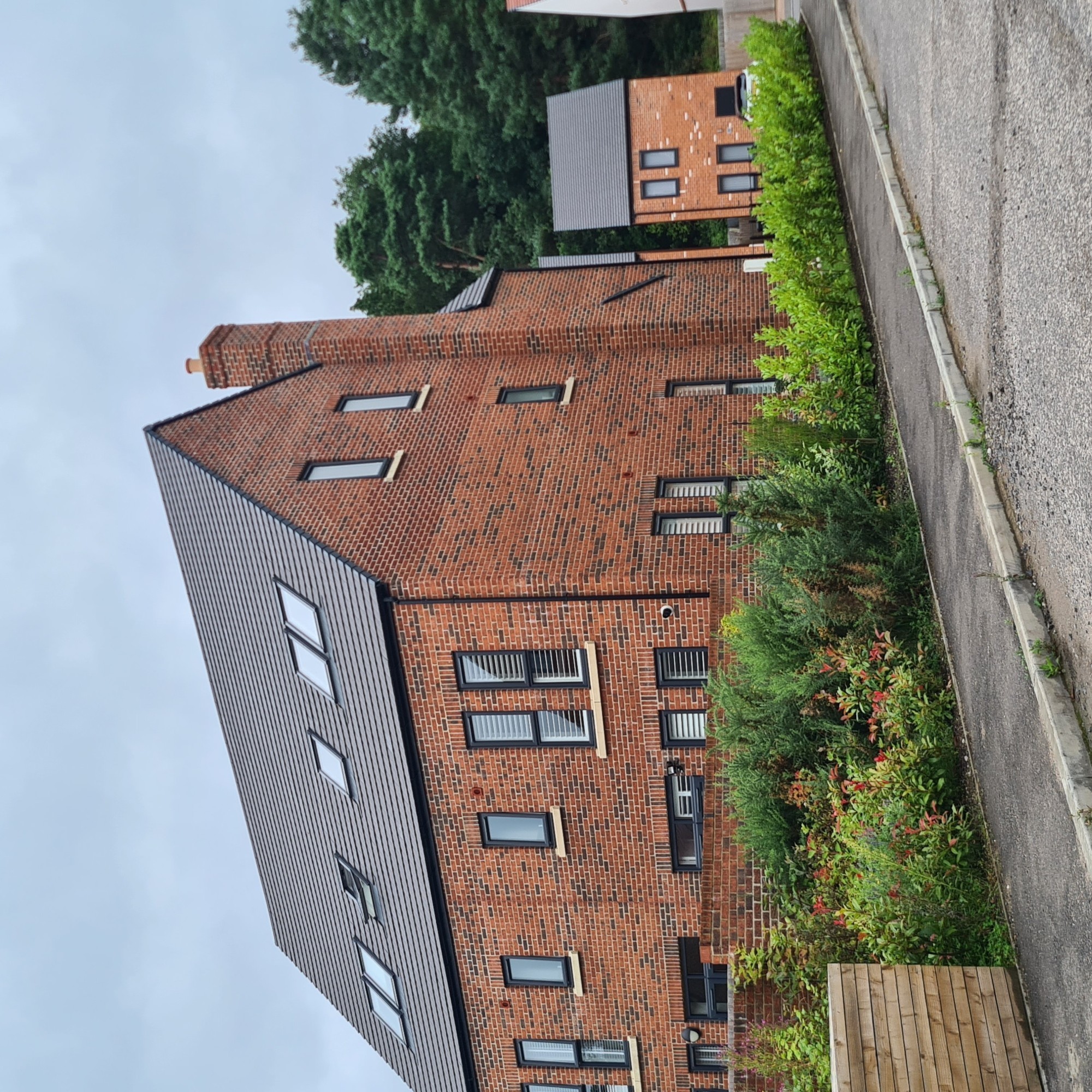
Fig 6.54 An example of border planting between a wall and footpath.

Timber boundary fencing image
Fig 6.55 Timber fencing must not be used on public facing boundaries.

Cheshire boundary treatment image
Cheshire boundary treatment2 image
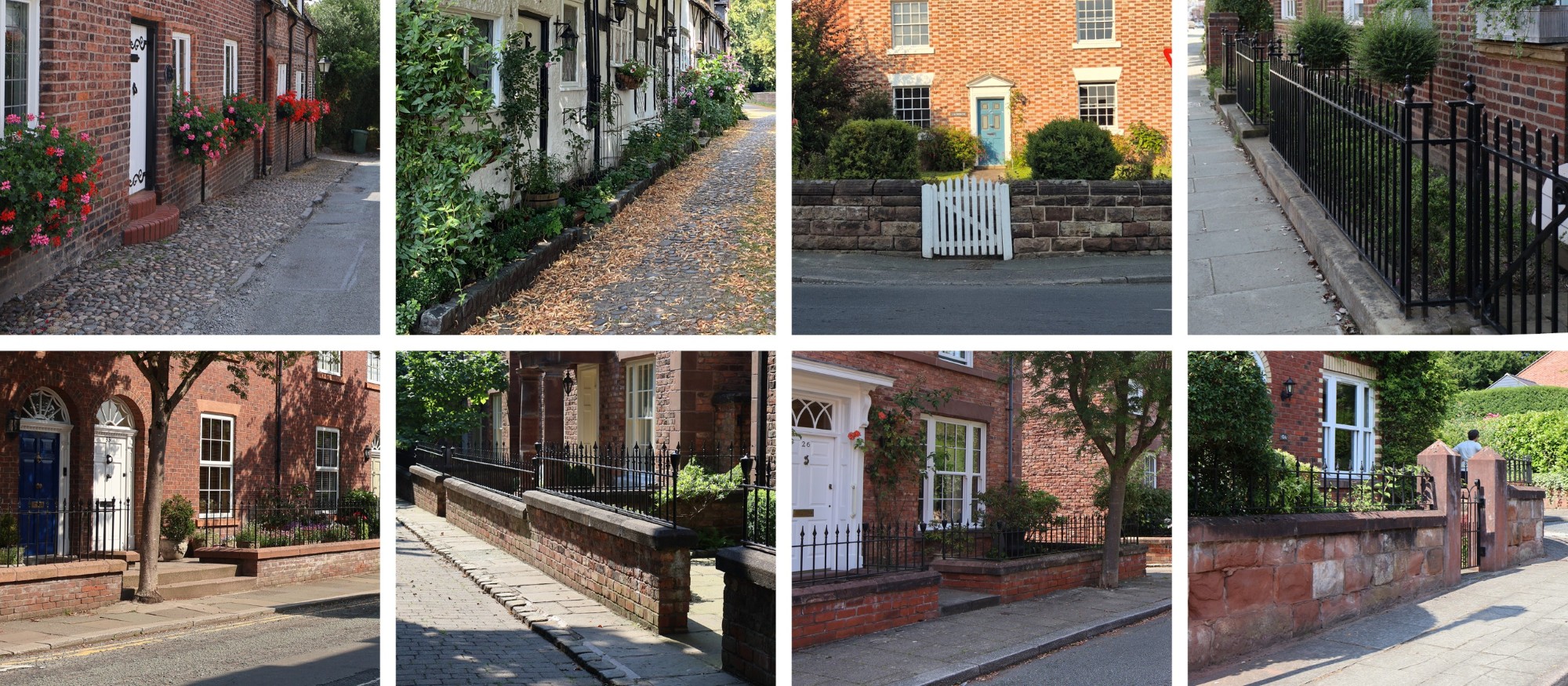
Fig 6.56 Examples of acceptable local boundary treatment.

7.7 Boundary - Frodsham image
Fig 6.57 A combination brick, stone and iron railing front garden wall in Frodsham.

Front garden set backs image
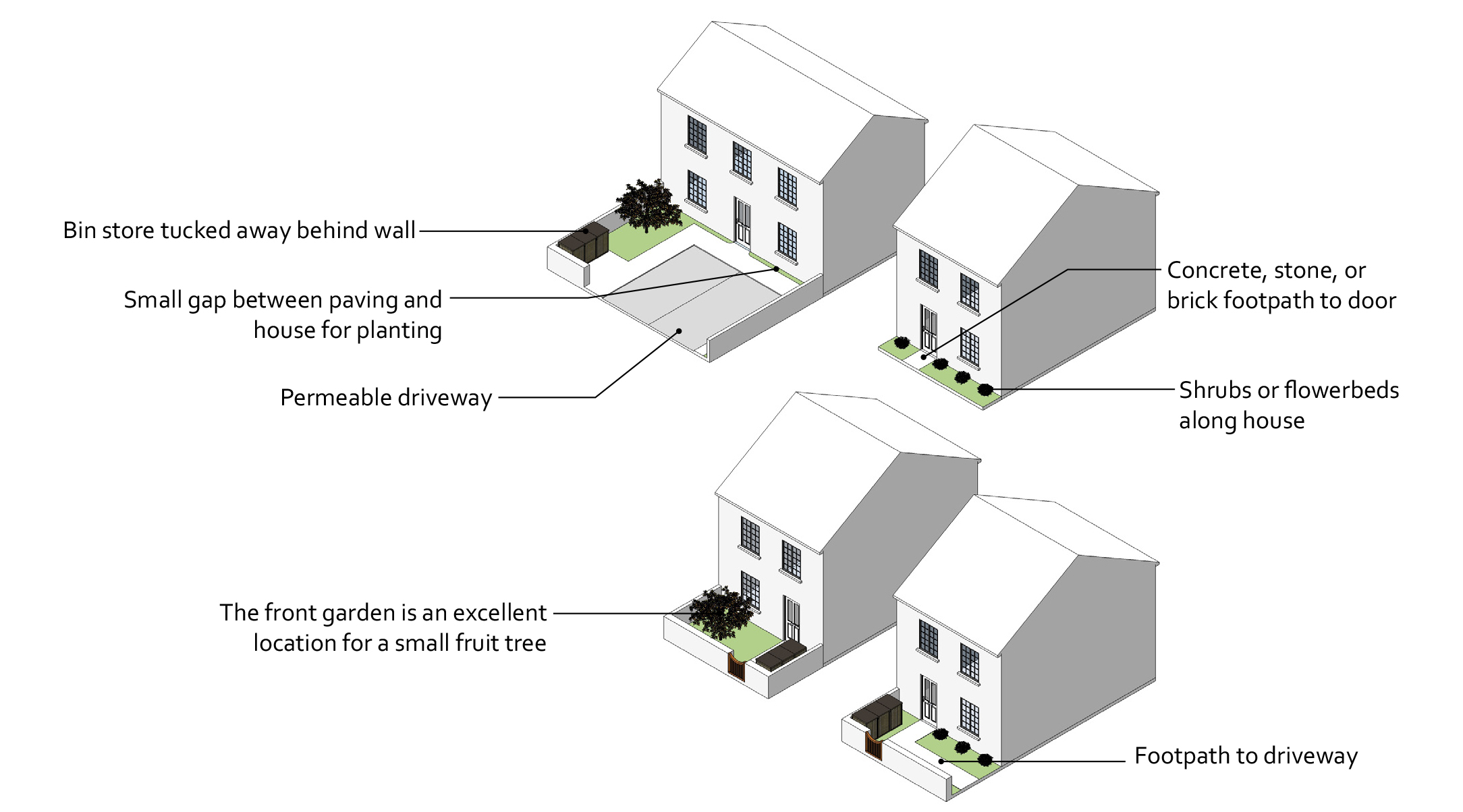
Fig 6.58 Diagram of appropriate boundary treatments.