3.4.2 Designing for cyclists - vision and principles
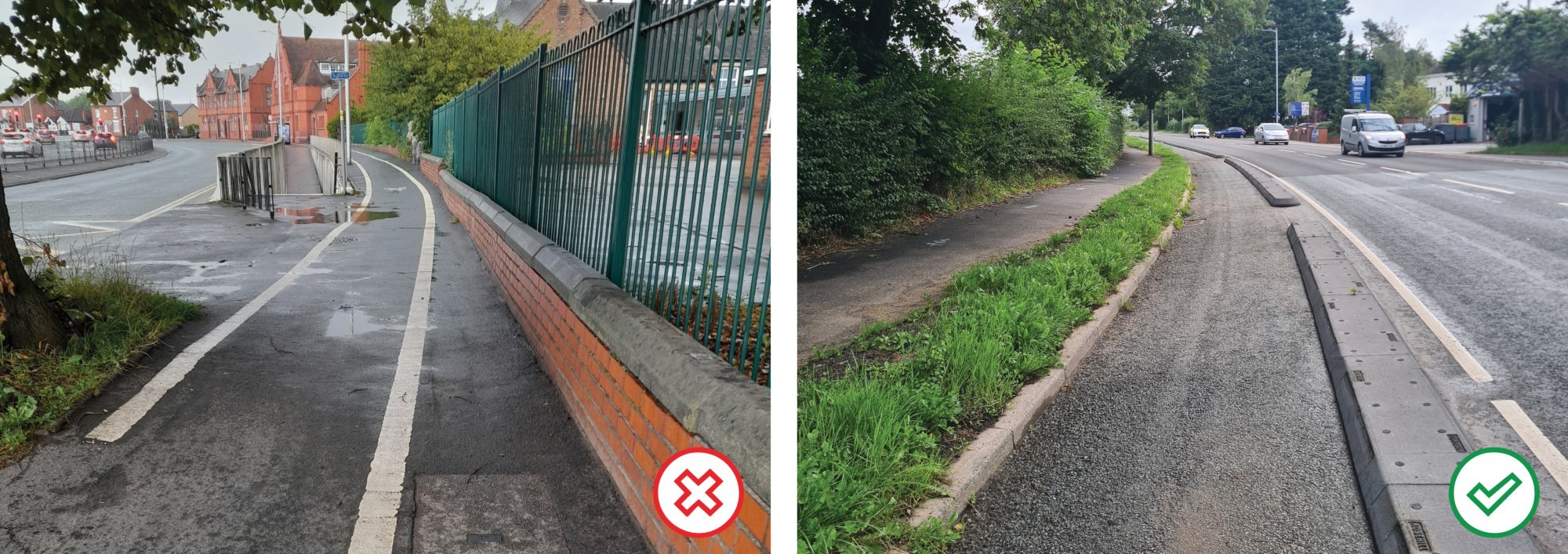
Protecting cyclists from motor traffic is essential. Unsafe roads are one of the most significant barriers to the uptake of cycling in the UK.
All new streets and developments, including commercial developments, will be expect to prioritise active travel through an integrated design approach, with pedestrians & wheelers and then cyclists placed at the top of the modal hierarchy, and create safe, useful cycle networks that are well connected to the local area.
New cycle infrastructure should comply with the following principles:
- Coherent
- Direct
- Safe
- Comfortable
- Attractive
- Accessible
A good cycle network must consist of the following elements:
- Continuous cycle routes (on-road and off-road);
- Junctions that can safely be used by cyclists;
- Safe crossings points with cycle and pedestrian priority; and,
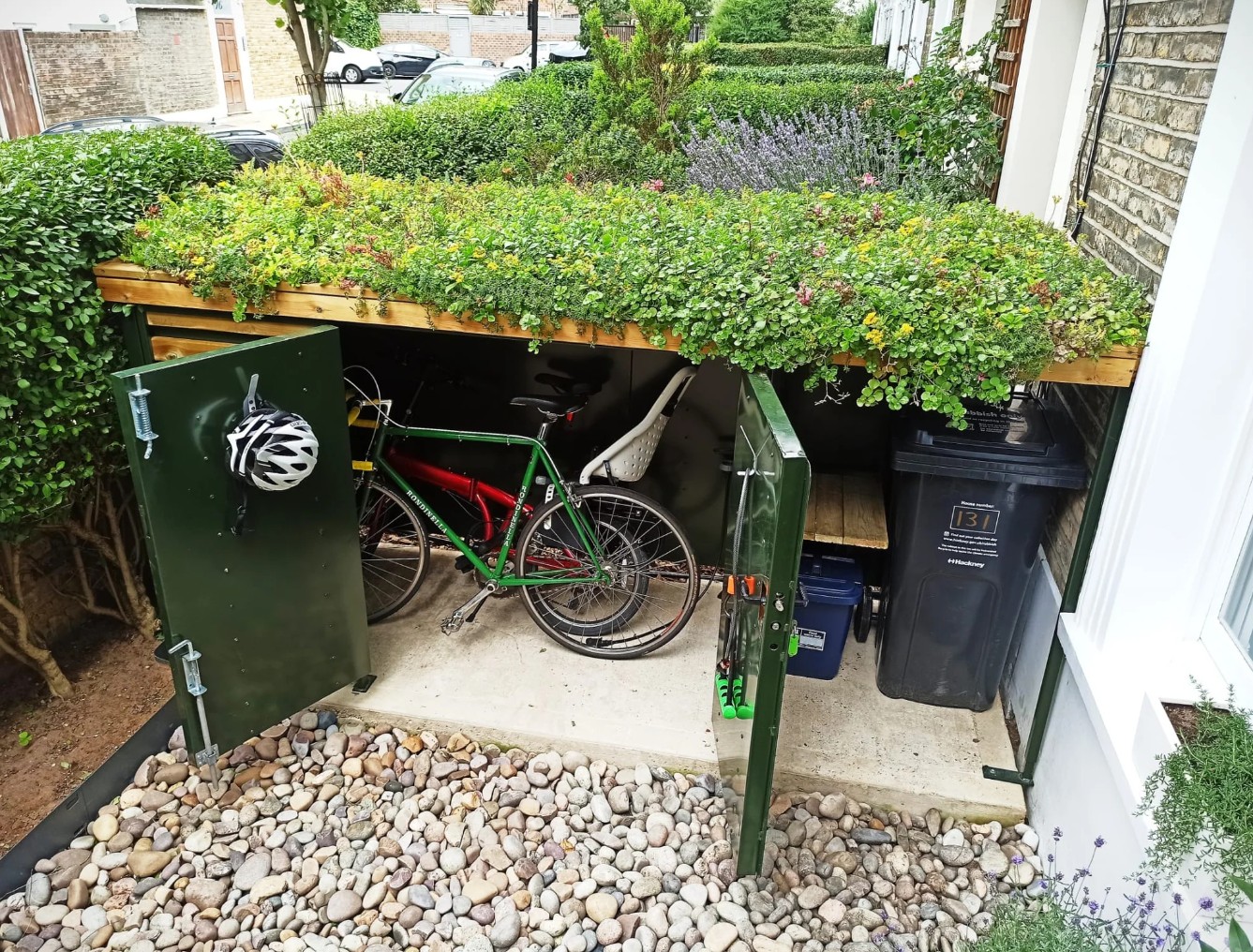
- Secure and convenient cycle parking and storage at key destinations.
The requirements in this code align with and adopt principles from the latest Department for Transport guidance (Local Transport Note 1/20opens new window). Designers should refer to this source for further technical detail as required.
New cycle networks should include links to key destinations outside of the site boundary, such as train stations and schools, in line with the requirements in Section 3.2.2 Connectivity - Outside the red line.
To encourage use, cycle routes should be as direct and convenient as possible, ideally following the logic of the street hierarchy. Where feasible, routes should be more direct and convenient than those for cars.
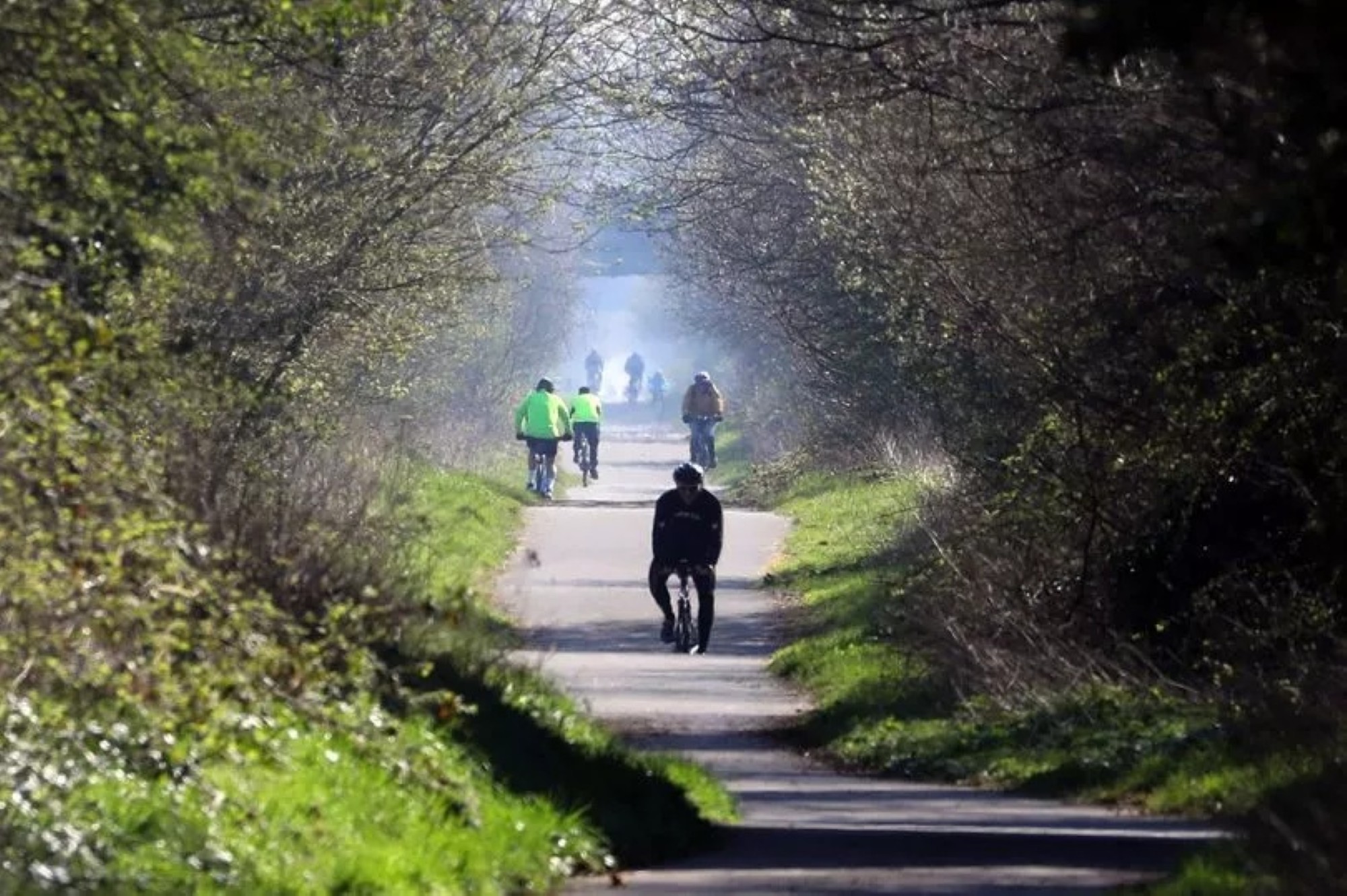
Motor traffic free cycle path
Development should integrate into existing traffic free cycle paths. These include routes on disused railway lines (e.g. The Millenium Greenway), through parks and public open space, on canal and riverside towpaths, and Public Rights of Way. These will normally be shared with pedestrians, and will need to achieve minimum widths or segregation.
Key routes should be along primary streets and high streets, where there is the most activity and where most amenities are located.
Cycle infrastructure should be safe and inviting enough to be used independently by a 12-year-old child, without supervision.
Neighbouring developments should collaborate to provide off site cycle and pedestrian links.