
3.4.8 Road markings
Road markings are sometimes necessary. However, excess markings create unnecessary visual clutter, particularly in rural and heritage sensitive settings, and can be counterproductive. To create safe, attractive streets, with minimal clutter, road markings should be kept to a minimum.
Developments should use different materials or horizontal elements to demarcate speed changes, parking zones, priorities instead of primarily relying on road markings.
Road markings should be omitted from High Streets – Low traffic (Type 1.C) Secondary Residential Streets (Type 2.B), and Tertiary Streets (Type 3). This helps create a less formal appearance and encourages more cautious driver behaviour.
In new and existing streets with good quality paving (such as block paving, bricks, or stone setts), or in any conservation area, where road markings are required, designers should:
- Implement restrictions through use of a Traffic Regulation Order (TRO). This would allow markings to be omitted and replaced with signage.
- If this is not possible, use reduced width yellow lines (50mm) in Primrose Yellow (BS 310)
Centre line markings should typically be omitted from all street typologies where the carriageway is 6.5m wide or lower, except Principal and High Streets which carry higher levels of motorised traffic.
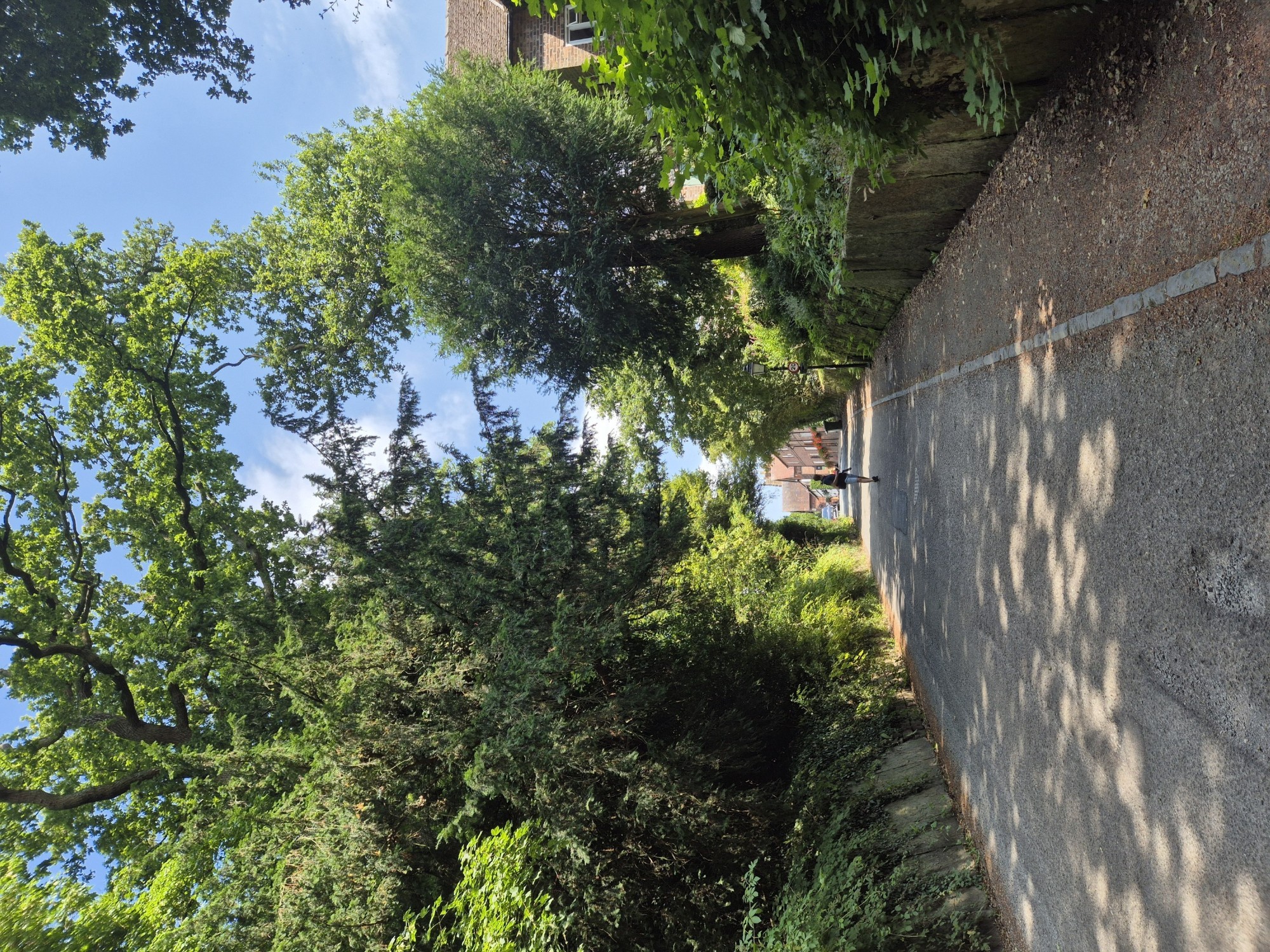
Centre line markings could be omitted from Principal Streets (Type 1) or existing carriageways 6.5m wide or under, and where the speed limit is less than 30 mph.